
In the global beverage manufacturing industry, Beverage Caps & Closures represent far more than a simple container lid. They serve as the primary critical control point for product seal integrity, shelf-life preservation, carbonation gas retention, microbial barrier defense, and brand consumer interaction. A single torque miscalibration or neck finish incompatibility can lead to catastrophic supply chain failures, line downtime, micro-leakage, or product recalls.
This technical guide provides brand owners, procurement executives, operations managers, and beverage founders with an exhaustive framework for selecting, specifying, and sourcing high-performance closure solutions. Drawing upon BevSource's two decades of contract manufacturing, laboratory testing, and supply chain management, we analyze the exact mechanics required to bring market-ready beverage products to store shelves seamlessly.
1. Sealing Physics & Neck Finish Engineering Dynamics
Achieving a hermetic seal requires precise dimensional matching between the rigid bottle neck finish (PET, Glass, or HDPE) and the elastomeric or thermoplastic closure. The primary mechanical function relies on controlled compression of either an internal plug seal ("E-seal") or a specialized liner material against the sealing surface of the bottle neck.
Critical Neck Finish Standards (28mm to 38mm)
Understanding standard industry neck finishes is essential when specifying beverage closures:
- PCO 1881 (28mm Lightweight Standard): The modern standard for carbonated soft drinks (CSD) and sparkling waters. Features a reduced thread profile weighing ~3.8g (neck finish), reducing PET resin usage by over 20% compared to legacy finishes while maintaining carbonation containment up to 4.5 volumes of CO2.
- PCO 1810 (28mm Legacy CSD): Heavier neck profile (5.05g) with longer thread engagement. Still utilized in select legacy markets or high-impact carbonated glass applications where high removal torque retention is mandatory.
- 29/25 Neck Finish (Still Water): An ultra-lightweight standard designed specifically for non-carbonated mineral and purified waters. Offers low torque opening forces and optimized material efficiency.
- 38mm 2-Start & 3-Lead Finishes: Formulated for hot-fill juices, RTD teas, dairy, and functional wellness beverages requiring high volumetric flow rates and vacuum-resistant top-load compression during post-fill cooling.
- ROPP (Roll-On Tamper-Evident Aluminium): Engineered for premium wine, spirits, and functional glass packaging, requiring specialized capping heads to thread aluminium blank shells directly over bottle threads on-line.
| Neck Standard | Target Beverage Category | Material Type | Max Carbonation / Pressure | Key Engineering Benefit |
|---|---|---|---|---|
| PCO 1881 | CSD, Energy Drinks, Sparkling Water | HDPE / PP | Up to 4.5 Vol CO2 (~60 PSI) | Lightweighting, fast venting gas slots |
| 29/25 Standard | Still Water, Flavored Hydration | HDPE | 0.0 Vol (Non-Carbonated) | Maximum resin cost optimization |
| 38mm 3-Lead | Hot-Fill Juices, Isotonic Sports Drinks | PP (High Heat Deflection) | Vacuum Resistant (-0.5 bar) | Rapid 120° back-off pour opening |
| ROPP Aluminium | Spirits, RTD Craft Cocktails, Wine | Aluminum Alloy (3105/5005) | Medium Carbonation / Still | Premium aesthetic & tamper evidence |
Technical Insight: Viscoelastic Stress Relaxation & Torque Loss
Polypropylene (PP) and High-Density Polyethylene (HDPE) caps undergo viscoelastic stress relaxation after application. Within 24 to 48 hours post-capping, removal torque drops by 40% to 50% from the initial application torque. Procurement teams must ensure their co-packers calibrate target application torque (e.g., 14–16 in-lbs for PCO 1881) to guarantee that off-shelf removal torque remains comfortably within consumer accessibility thresholds (8–11 in-lbs) without compromising hermetic seal integrity.
2. Recommended Beverage Caps & Closures Portfolio
Choosing the correct closure configuration depends directly on product chemistry, processing method (Aseptic, Cold-Fill, Hot-Fill, Retort), gas pressure, and end-user ergonomic requirements. Below is our curated spectrum of enterprise packaging closures:
Carbonated Beverage Caps (PCO 1881 / 1810)
Engineered with integrated gas-venting slots that allow pressure release prior to complete thread disengagement, preventing cap blow-off hazards.
Hot-Fill & Aseptic Vacuum Closures (38mm)
Formulated to endure filling temperatures up to 195°F (90°C) without physical deformation, utilizing soft liner compounds for seal retention under vacuum pull-down.
EU 2019/904 Compliant Tethered Caps
Designed with reinforced dual-hinge tethers that retain cap attachment to the bottle neck throughout the packaging lifecycle, meeting global circular economy mandates.
Sports Caps & Functional Dispensing Closures
High-flow push-pull valves and flip-top spouts equipped with silicone non-drip valves, ideal for active hydration and multi-serve functional beverages.
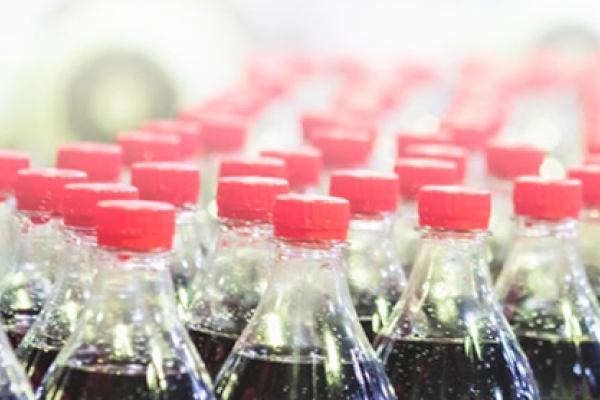
Figure 1: BevSource technical operations evaluating cap thread engagement and tamper band integrity across co-packing networks.
3. Regulatory Mandates & Global Procurement Trends
The global regulatory landscape surrounding plastic packaging is experiencing unprecedented transformation. Procurement managers must balance performance requirements against stringent legal mandates and sustainability goals.
EU Directive 2019/904 Implementation Physics
As of July 2024, the European Union mandates that all single-use beverage containers up to 3 liters feature tethered closures. Compliance requires rigorous engineering validation:
- Tensile Resistance: The tether hinge must withstand a minimum force of 25 Newtons applied along both axial and perpendicular vectors without mechanical failure.
- Consumer Usability: Caps must lock back at angles equal to or greater than 130 degrees to prevent consumer facial contact during drinking.
- Capping Line Speed Integration: Tethered caps must feed smoothly into existing magnetic capping chucks without high failure rates or jam-ups on 600+ BPM high-speed bottling lines.
PCR (Post-Consumer Recycled) Resin Dynamics
Integrating 25% to 100% Post-Consumer Recycled HDPE/PP resin into beverage closures presents distinct technical challenges. PCR resins exhibit wider Melt Flow Index (MFI) variance and potential stress-cracking vulnerability (ESCR). BevSource conducts rigorous organoleptic (flavor impact) testing and Environmental Stress Crack Resistance testing (ASTM D1693) to verify that recycled content caps meet identical performance thresholds as virgin food-grade resins (FDA 21 CFR 177.1520).
4. Future Technology & Innovation Trends in Beverage Closures
Looking ahead toward 2030, beverage cap architecture is evolving beyond mechanical containment into active digitized packaging solutions:
1. Active Oxygen Scavenging Liners
Sensitive formulations—such as alcohol-free craft beers, cold-brew coffees, and liquid vitamin supplements—suffer rapid degradation from residual headspace oxygen. Next-generation closures integrate iron-free organic oxygen scavengers directly into the inner liner compound. These materials lower headspace O2 levels to less than 0.1 ppm, doubling product shelf life without altering flavor profiles.
2. NFC & Digital Anti-Counterfeiting Closures
High-value spirits, premium wellness shots, and functional supplements are increasingly embedding Near Field Communication (NFC) silicon chips within cap cavities. When scanned with a mobile device, these caps provide tamper-proof product authentication, lot traceability, and direct consumer digital engagement.
3. Bio-Based Mono-Material Polymers
To eliminate cross-contamination during recycling streams, closure engineering is shifting toward 100% mono-material packaging (where bottle, cap, and label use identical polymer families, such as all-PET or all-PE systems). Bio-PE derived from sugarcane feedstock provides a carbon-negative footprint while retaining identical tensile strength and thermal properties as conventional petroleum-derived HDPE.
5. Enterprise Sourcing & Co-Packing Risk Mitigation: The BevSource Advantage
Sourcing beverage caps and closures involves far more than picking a part number from a manufacturer catalog. A closure must work seamlessly across your raw material suppliers, co-packers, and distribution channels. This is where BevSource provides immense strategic value.
End-to-End Technical Oversight
With over 20 years of hands-on industry experience and thousands of SKUs commercialized, BevSource acts as your extended packaging engineering team:
- Co-Packer Tooling Alignment: We audit co-packer capping heads, chuck profiles, elevator sorters, and torque application sensors to ensure complete compatibility with chosen cap geometries before production runs begin.
- Laboratory QA & Testing (The Lab): Our specialized pilot testing facilities conduct leak testing (secure seal testing under vacuum/pressure), torque decay monitoring, removal force profiling, and thermal stress testing under real-world conditions.
- Supplier Network & Pricing Power: Access our global, pre-vetted network of top-tier cap manufacturers. Gain tier-one volume pricing, guaranteed allocation protection, and minimized minimum order quantities (MOQs).
- Regulatory Compliance Management: We oversee FDA food-contact documentation, EU compliance certification, heavy metal analysis (CONEG/REACH), and TTB regulatory requirements for alcoholic beverages.
6. Frequently Asked Questions (FAQ) for Technical Buyers
Hot-fill processes (180°F–195°F / 82°C–90°C) induce thermal expansion of PET bottle necks and polypropylene caps. Prevention requires selecting caps with high heat-deflection temperature (HDT) PP resins, engineered 3-lead thread profiles (such as 38mm 2-start or 3-start), and precision application torque calibrated between 14 to 18 in-lbs. Post-fill cooling tunnels must be carefully controlled to avoid rapid thermal shock that induces stress relaxation of the internal sealing lip.
PCO 1810 is an older 28mm neck finish weighing approximately 5.05 grams with a taller thread profile, while PCO 1881 is a lightweighted industry standard weighing roughly 3.8 grams—saving 1.25 grams of PET per container. PCO 1881 features a shorter thread height and reduced cap height, requiring precise tolerance control during high-speed capping to prevent cocked caps and micro-leakage under carbonation levels up to 4.5 volumes of CO2.
EU Directive 2019/904 mandates that single-use plastic beverage containers up to 3 liters feature tethered caps that remain attached during use. Tethered closures must withstand a minimal tensile force of 25 N without detaching. For sourcing managers, this requires upgrading capper chucks, adjusting cap feeding elevators, and verifying that the tether mechanism does not interfere with high-speed filling valves or consumer pour rates.
Oxygen-sensitive formulations (such as Vitamin C fortified drinks, RTD teas, IPAs, and natural juices) require active or passive barrier liners inside the cap. Passive barriers utilize EVOH (Ethylene Vinyl Alcohol) layers, while active liners incorporate metallic or organic oxygen scavengers capable of absorbing residual headspace oxygen (<0.5 ppm), preserving taste, color, and nutritional active shelf life.
Application torque must be optimized based on thread pitch, lubricity (slip agent content like Erucamide), and neck material. Typically, application torque ranges between 12 to 16 in-lbs for 28mm caps. Removal torque generally measures 40% to 60% of application torque after 24-hour viscoelastic relaxation. Insufficient application torque leads to seal failure, while excessive torque damages tamper-evident bridges or strips cap threads.
Accelerate Your Packaging Sourcing Architecture
Eliminate line downtime, optimize unit economics, and ensure 100% seal integrity for your beverage brand with BevSource's dedicated closure engineering group.