Industry Insights & Resources
Beverage Industry Blog & Knowledge Hub
Formulation advice, manufacturing guides, regulatory trends, and strategic insights to scale your beverage brand.
Blog
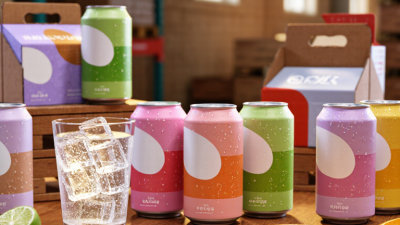
How to Source Hard Seltzers in Bulk in 2026?
Bulk buying Hard Seltzers in 2026 is not just a price negotiation. Buyers need to balance reliable supply, consistent flavor, packaging, and realistic demand. A low quote means little if the product arrives late or tastes different from the sample. Details matter: can dimensions, case counts, delivery windows, and storage conditions can all affect the final cost.
Bart Watson, chief economist of the Brewers Association, has tracked changing beverage demand. A useful takeaway from his market analysis is: “Build purchasing plans around sustained demand, not a short-lived spike.” That is a practical guide, not a guarantee. A local sales surge can fade quickly, and forecasts are imperfect.
For a buyer, the work begins with clear specifications. Define the target alcohol content, flavor profile, package format, and acceptable delivery range. Ask suppliers for current product specifications, sample availability, production capacity, and written pricing terms. Compare like with like. Freight, minimum order quantities, and lead times can make two similar offers very different.
Small checks help. Taste the sample. Inspect the carton. Confirm the dates. Then compare supplier responses against your sales plan and storage space. One mistake is easy to make: ordering a full season’s volume before testing demand. A smaller initial order may cost more per case, yet reduce the risk of slow-moving stock. This guide explores how to assess suppliers, negotiate practical terms, and plan bulk orders with care. It also leaves room for uncertainty, because consumer preferences—and supply conditions—can change.
Read more »
 By:Aria
- November 16, 2026
Top 10 Functional Energy Drinks for Global Buyers
Functional Energy Drinks are no longer limited to a quick caffeine boost. Buyers now compare energy ingredients, sugar levels, flavors, packaging, and suitability for different markets. The category is broad, though. Products with similar front-label claims can have very different formulations.
Grand View Research estimated the global energy drinks market at USD 73.8 billion in 2024, with continued growth projected through 2030. This estimate covers the wider energy drink category, not functional products alone, so it should be read as market context rather than a precise measure of functional demand. Still, it signals a competitive space where clear product specifications matter. Details matter.
For global buyers, a shortlist needs more than attractive cans and bold flavor names. Compare caffeine per serving, ingredient transparency, serving size, shelf life, and available quality documentation. Check labels carefully. Requirements and consumer expectations can differ by destination, so buyers should confirm applicable local rules before placing orders. A supplier’s claims also deserve scrutiny; “functional” is not, by itself, proof of a specific benefit. Some products will fit a market better than others, and that judgment is rarely perfect. This Top 10 guide introduces Functional Energy Drinks through practical buying considerations, helping importers and distributors assess options with a clearer view of both product details and commercial fit.
Read more »
 By:Ethan
- November 11, 2026
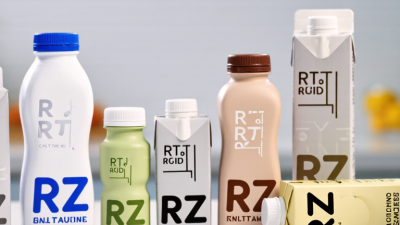
What Are RTD Protein Beverages?
RTD Protein Beverages are ready-to-drink products that provide protein without mixing powder or preparing a shake. They come in cartons and bottles, often chilled beside milk or stored at room temperature. Some use dairy proteins; others use plant-based sources such as soy or pea. The format is simple. Open, sip, and go.
Protein researcher Dr. Stuart Phillips has described protein as “the most satiating macronutrient.” That observation helps explain the appeal of a portable protein drink, but it does not make every bottle equally useful. Check the protein amount, serving size, added sugars, and ingredient list. A bottle with a clean label may still taste chalky; a sweeter one may be easier to finish. Small details matter.
The best choice depends on the person and the moment: a commute, a gym bag, or a rushed lunch break. Convenience is real. So are trade-offs. RTD Protein Beverages can help fill a practical gap, but they are not a substitute for considering overall eating habits. Readers should compare products calmly, rather than treating a large protein number as a complete measure of quality. Even this guide has a limit: nutrition needs vary, and a label cannot tell the whole story.
Read more »
By:Ethan
- November 6, 2026
Top Probiotic and Prebiotic Drinks Suppliers Worldwide
The global market for Probiotic & Prebiotic Drinks is moving from niche wellness shelves into everyday retail. Consumers now expect convenient bottles, clear ingredients, and credible health information. Yet popularity does not guarantee quality.
Dr. Gregor Reid, a microbiologist and recognized probiotic researcher, stated: “Probiotics are live microorganisms that, when administered in adequate amounts, confer a health benefit on the host.” This principle remains essential when evaluating worldwide suppliers. A serious producer should identify the strain, explain its intended benefit, and provide evidence for product stability. Prebiotic fibers also require careful formulation. Their effects can vary with dosage, dietary habits, and individual tolerance.
Details matter. A refrigerated bottle may lose quality if transport temperatures fluctuate. An attractive label may still hide limited strain information. Supplier experience counts. So does transparent testing.
This guide examines leading Probiotic & Prebiotic Drinks suppliers across international markets. It considers product range, fermentation expertise, ingredient sourcing, manufacturing standards, packaging, and distribution capacity. The review also looks at practical issues, including shelf life and regional consumer preferences.
Some comparisons remain imperfect. Supplier data is not always presented consistently, and marketing language can sound stronger than the available evidence. That deserves caution. Buyers should verify certifications, laboratory testing, dosage claims, and regulatory compliance before making commercial decisions.
The strongest suppliers combine scientific discipline with useful taste design. Think of a lightly tart drink, a measured fiber blend, and a label that explains what is actually inside. That balance may define the next stage of the category.
Read more »
 By:Olivia
- November 1, 2026

How to Source Specialty Beverage Sweeteners Globally?
Sourcing Specialty Beverage Sweeteners globally now requires more than comparing sweetness ratios and prices. Beverage makers must examine taste, solubility, labeling, supply continuity, and regional consumer expectations. A sweetener that performs well in a chilled tea may fail in coffee, dairy alternatives, or sparkling drinks. Small formulation details matter, including aftertaste, sediment, mouthfeel, and stability after six months.
Industry evidence shows why this category deserves careful research. The World Health Organization recommends limiting free sugars below 10% of daily energy intake, with further benefits below 5%. Innova Market Insights reported that approximately one in three consumers globally are reducing sugar consumption. However, these figures do not define every specialty ingredient consistently. That limitation deserves attention. Market reports often combine high-intensity sweeteners, polyols, natural extracts, and functional blends. Their comparisons may therefore look precise while hiding important differences.
Dr. John Fry, a food scientist and recognized flavor consultant, has emphasized a practical truth: “There is no single solution to sugar reduction.” This principle guides responsible global sourcing. Buyers should verify supplier documentation, allergen controls, traceability, sensory data, and regulatory status in each target market. They should also test sweetness across realistic serving temperatures and storage conditions. A laboratory sample is not the finished beverage. Reports from WHO, Innova Market Insights, and regional food authorities can establish direction, but experienced formulation trials must confirm performance. The strongest sourcing strategy remains evidence-led, transparent, and willing to challenge its own assumptions.
Read more »
By:Aria
- October 27, 2026
China Best Organic Beverage Ingredients Supplier?
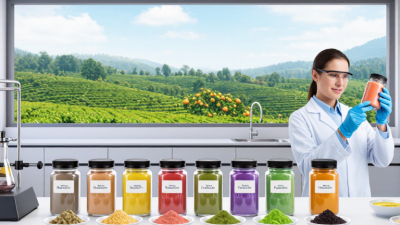
China Best Organic Beverage Ingredients Supplier? This question deserves more than a low-price comparison. Organic Beverage Ingredients influence flavor, nutrition, label claims, and consumer trust. A reliable supplier must show more than attractive product photographs. Certification documents, batch records, laboratory results, and traceable sourcing should be easy to review.
Food-system authority Michael Pollan once wrote, “Eat food. Not too much. Mostly plants.” This simple sentence remains useful for beverage developers. Organic ingredients should support clear formulations, not hide weak quality behind fashionable language. A professional supplier may offer organic fruit powders, botanical extracts, natural sweeteners, tea ingredients, and functional blends. Yet every ingredient needs a practical review. Check its origin, processing method, allergen status, moisture level, solubility, and storage conditions. Small details matter. A powder that settles quickly can damage an otherwise promising drink.
China has capable ingredient manufacturers, but quality can vary between factories and batches. That reality should not be ignored. The best partner combines verified organic certification with consistent production, responsive communication, and technical support. Request samples before signing a large contract. Compare color, aroma, dissolution, and taste in the actual beverage formula. Ask how the supplier handles seasonal changes and nonconforming batches. A supplier that welcomes difficult questions is usually more dependable.
There is no perfect sourcing decision. Cost, speed, sustainability, and performance may conflict. Still, careful evaluation can reduce avoidable risks. This guide examines how to identify a trustworthy Chinese supplier of Organic Beverage Ingredients, with attention to evidence rather than marketing promises.
Read more »
By:Ethan
- October 22, 2026
What Is the Difference Between Juice Purees and Concentrates?
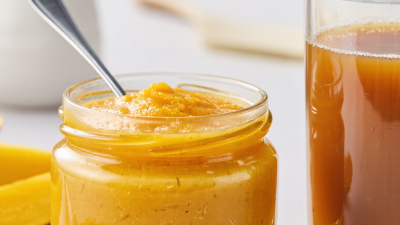
Understanding the difference between Juice Purees & Concentrates starts with one simple question: what remains after processing? Juice puree usually contains finely crushed fruit flesh, giving it a thick, spoonable texture. Concentrate begins as juice with much of its water removed, creating a stronger flavor in a smaller volume.
The difference is visible in a glass. A mango puree may look dense and carry tiny fruit particles. Apple juice concentrate often appears smoother, darker, and more syrup-like. Purees can contribute body, natural fiber, and a fuller mouthfeel. Concentrates are valued for efficient storage, transport, and consistent sweetness after reconstitution. However, the final result depends on the fruit, filtration, heating method, and water added later.
The distinction is not always perfectly clean. Some products are clarified, blended, or partially concentrated. Labels may also use commercial terms that vary by supplier and region. That deserves attention. A reliable comparison should examine ingredient lists, soluble solids, processing notes, and intended use rather than relying on appearance alone.
In beverage production, puree may suit smoothies, sauces, and products needing visible fruit character. Concentrate may work better in juices, syrups, and formulations requiring precise dilution. Experienced buyers also check color stability, acidity, packaging conditions, and batch consistency. These details can affect flavor after storage.
Neither ingredient is automatically superior. The better choice depends on the recipe, equipment, budget, and desired texture. This guide will clarify how each product is made, measured, stored, and selected for dependable food and beverage applications.
Read more »
By:Olivia
- October 17, 2026
Top 10 Custom Ingredient Premixes for Global Buyers
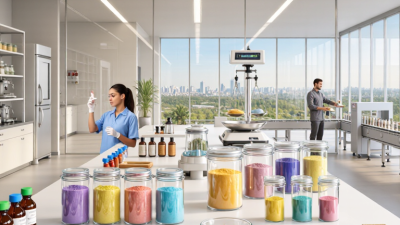
Global buyers are looking beyond single nutrients and standardized blends. Custom Ingredient Premixes can combine vitamins, minerals, proteins, fibers, botanicals, enzymes, or functional additives for a specific product.
The need is measurable. The FAO, IFAD, UNICEF, WFP, and WHO report “The State of Food Security and Nutrition in the World 2024” estimated that 733 million people faced hunger in 2023. It also reported that about 2.33 billion people experienced moderate or severe food insecurity. These figures strengthen demand for practical, affordable, and nutritionally consistent products. Yet nutrition is not the only concern. Buyers also need stable supply, transparent documentation, and reliable batch performance.
This guide examines ten premix categories used across global food, beverage, supplement, and animal nutrition markets. The list includes vitamin-mineral blends, sports nutrition systems, bakery fortification mixes, beverage premixes, dairy solutions, gummy formulations, protein blends, fiber systems, infant nutrition ingredients, and customized botanical combinations. Each category creates different technical challenges. A powdered drink may require instant dispersion. A gummy may need heat stability. A bakery blend must survive mixing, baking, and storage.
According to MarketsandMarkets’ Food Premix Market report, the global premix sector is expected to grow through 2028, supported by fortification, convenience, and preventive nutrition trends. However, market forecasts vary by definition and region. That limitation matters. No single ranking fits every buyer.
Successful sourcing requires more than a promising ingredient list. Buyers should review certificates of analysis, allergen controls, country-specific labeling rules, traceability records, and stability data before approval. Small details matter. A dusty pouch, an unclear dosage, or a missing specification can delay an entire launch.
Read more »
By:Ethan
- October 12, 2026
What Are the Best Beverage Caps & Closures from China?
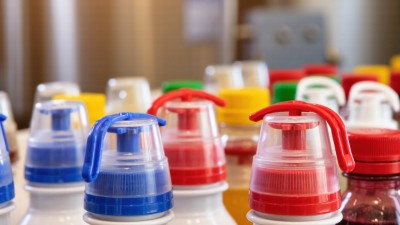
Choosing the best Beverage Caps & Closures from China requires more than comparing prices. A reliable selection starts with product fit, material safety, sealing performance, and supplier consistency. Bottle shape matters. So does filling speed. A cap that works on a still-water bottle may fail on a carbonated drink. Small details can create costly problems.
This guide examines common options, including screw caps, sports closures, flip-top designs, and tamper-evident solutions. It considers food-contact materials, thread accuracy, liner performance, leak resistance, and opening comfort. Practical buyers should also review mold quality, production capacity, inspection records, and export experience. Ask for samples. Test them on your actual bottles.
Not every low-cost offer is a smart choice. That is worth remembering. A supplier may provide attractive samples but struggle with large-volume consistency. Another may communicate well but lack suitable testing equipment. Responsible sourcing includes reviewing declarations, quality systems, batch controls, and relevant market requirements before ordering. Independent testing can add confidence, especially for new suppliers or recycled-content materials.
The following sections compare closure types, manufacturing considerations, customization options, and supplier evaluation methods. They also highlight weaknesses that product catalogs often hide, such as uneven torque, sharp edges, color variation, or loose tamper bands. The “best” closure is rarely universal. It is the one that protects the beverage, supports efficient filling, meets applicable requirements, and remains dependable after thousands of bottles leave the factory.
Read more »
By:Aria
- October 7, 2026
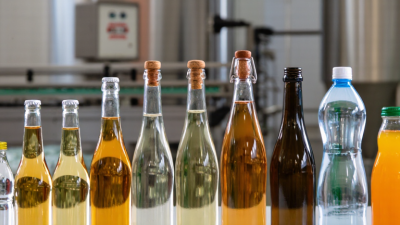
Top 10 Glass Beverage Bottle Manufacturers Worldwide
Glass Beverage Bottles remain a trusted choice for beer, wine, spirits, water, juice, and premium soft drinks. Their clear surfaces, solid weight, and chemical stability signal quality before the first sip. However, modern buyers expect more than appearance. They also examine recycled content, energy use, logistics, closure compatibility, and supply reliability.
Industry data shows why this market deserves close attention. FEVE’s recent statistics indicate that European container-glass production remains measured in tens of millions of tonnes annually, supported by strong beverage demand. The European Commission also reports high recycling performance for glass packaging compared with several other packaging materials. Globally, Grand View Research and Smithers identify sustainability, premium branding, and refillable packaging as important growth factors. Their market estimates differ, though. Definitions, regions, and product categories are not always consistent.
That difference matters.
This ranking examines the Top 10 Glass Beverage Bottle Manufacturers Worldwide through practical criteria. These include production scale, geographic coverage, bottle design capability, quality systems, lightweighting experience, and recycling commitments. Company history also matters. A supplier may offer an attractive bottle but struggle with mold availability or long-distance delivery. Another may provide dependable volume but limited customization. Real purchasing decisions are rarely simple.
The selected manufacturers represent established industry experience, not automatic approval for every project. Buyers should verify certifications, technical drawings, food-contact compliance, lead times, and local freight conditions before signing contracts. Reported figures can change. Some information may also require further checking. Still, this comparison offers a useful starting point for brands seeking durable, responsible, and visually distinctive glass packaging.
Read more »
By:Olivia
- October 2, 2026
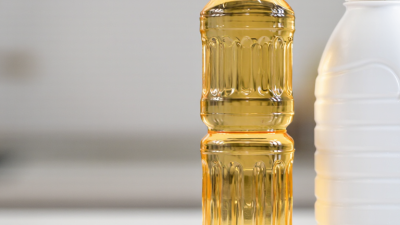
Which PET and HDPE Bottle Types Are Best in 2026?
Choosing between PET and HDPE bottles in 2026 starts with the product, not the material trend. PET is often preferred when clarity matters. It displays the liquid and supports crisp shelf presentation. HDPE is opaque, sturdy, and comfortable to squeeze. Think of a clear beverage bottle beside an opaque household-cleaner container: each material solves a different packaging problem.
Packaging researcher Dr. Susan Selke’s work offers a useful principle, paraphrased here: “Choose packaging for product protection, practical use, and its end-of-life pathway.” That is a guiding idea, not a direct quotation. For a real specification, assess chemical compatibility, closure fit, filling conditions, shipping weight, and local recycling access. A bottle that looks ideal on a sample table may deform on a warm delivery route. Small details count. Wall thickness, label coverage, and color can also affect performance and recovery.
This guide compares PET and HDPE bottle types by application, protection needs, appearance, and handling. It will help buyers weigh clear versus opaque designs, rigid versus squeezable formats, and lightweighting against durability. There is no universal winner. Even a well-tested choice may need revision after a production trial; that part is easy to underestimate. The aim is a more informed shortlist of PET & HDPE Bottles for 2026, grounded in real use rather than packaging hype.
Read more »
By:Aria
- September 27, 2026
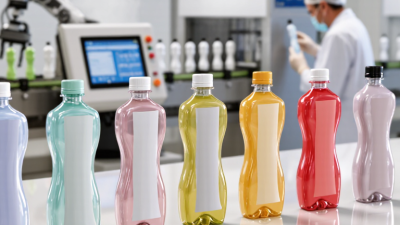
China Best Shrink Sleeve Labels Manufacturer?
Choosing the China Best Shrink Sleeve Labels Manufacturer requires more than comparing quotations. A reliable decision depends on material knowledge, print consistency, testing, and shipment control. Shrink Sleeve Labels must fit curved bottles, sharp shoulders, and different packaging lines without wrinkling or tearing.
Industry evidence supports this market’s expansion. Smithers’ packaging studies identify continued demand for flexible films, premium decoration, and recyclable packaging structures through the decade. Grand View Research also reports sustained growth in the global shrink sleeve labels market, driven by beverage, household, and personal care packaging. PMMI research highlights automation, shorter production runs, and supply-chain visibility as important packaging priorities. These reports provide useful direction, but they do not identify one universal “best” manufacturer.
The right Chinese supplier should demonstrate practical experience with PETG, PVC, OPS, and low-density shrink films. They should explain how film thickness, shrink ratios, ink systems, and tunnel temperature affect results. Ask for printed samples on your actual bottle shape. Test them under real line conditions.
Small details matter.
A dependable factory should provide color proofs, cylinder or digital printing information, inspection records, and clear tolerances. ISO 9001 certification can support process confidence, but certification alone proves little about daily quality. Request evidence of barcode readability, seam strength, scuff resistance, and delivery performance.
Price deserves attention. It should not lead the evaluation. A cheaper label may create costly stoppages, distorted graphics, or rejected cartons. Still, no supplier is perfect. Buyers should compare technical responses, sample results, communication speed, and corrective-action records before choosing a long-term China Best Shrink Sleeve Labels Manufacturer.
Read more »
By:Aria
- September 22, 2026