Industry Insights & Resources

Beverage Industry Blog & Knowledge Hub

Formulation advice, manufacturing guides, regulatory trends, and strategic insights to scale your beverage brand.

0%

Bulk buying Hard Seltzers in 2026 is not just a price negotiation. Buyers need to balance reliable supply, consistent flavor, packaging, and realistic demand. A low quote means little if the product arrives late or tastes different from the sample. Details matter: can dimensions, case counts, delivery windows, and storage conditions can all affect the final cost.

Bart Watson, chief economist of the Brewers Association, has tracked changing beverage demand. A useful takeaway from his market analysis is: “Build purchasing plans around sustained demand, not a short-lived spike.” That is a practical guide, not a guarantee. A local sales surge can fade quickly, and forecasts are imperfect.

For a buyer, the work begins with clear specifications. Define the target alcohol content, flavor profile, package format, and acceptable delivery range. Ask suppliers for current product specifications, sample availability, production capacity, and written pricing terms. Compare like with like. Freight, minimum order quantities, and lead times can make two similar offers very different.

Small checks help. Taste the sample. Inspect the carton. Confirm the dates. Then compare supplier responses against your sales plan and storage space. One mistake is easy to make: ordering a full season’s volume before testing demand. A smaller initial order may cost more per case, yet reduce the risk of slow-moving stock. This guide explores how to assess suppliers, negotiate practical terms, and plan bulk orders with care. It also leaves room for uncertainty, because consumer preferences—and supply conditions—can change.
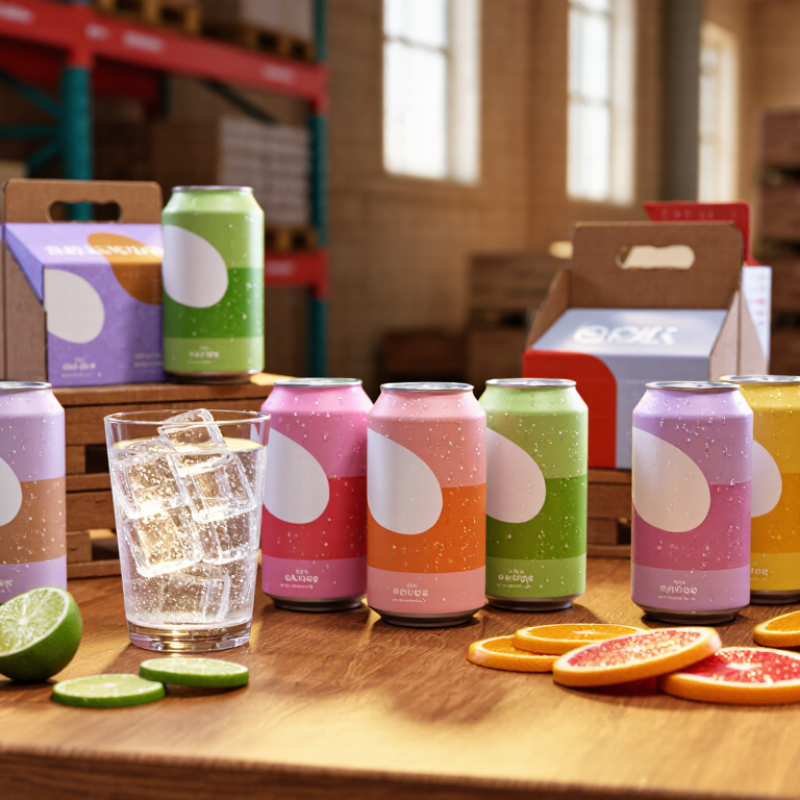
How to Source Hard Seltzers in Bulk in 2026?

Define Hard Seltzer Specs and Size Demand with IWSR and NielsenIQ Data

Before requesting bulk quotes, define what “hard seltzer” means for your order. Set target alcohol content, flavor profile, sweetness, package format, and price range. Specify whether you need single cans, variety packs, or another configuration. Small differences can change which products belong in your comparison. Be precise.

Use IWSR data to understand category trends and NielsenIQ data to examine retail sales where coverage fits your market. Check each source’s geography, time period, channel, and product definitions before comparing figures. Their numbers may not measure the same things. Retail scans can show what moved through covered stores, while broader estimates may include channels those scans miss.

Build a demand range, not a single confident number. Compare recent sales with seasonality, local distribution, and the accounts you can realistically serve. Then translate expected volume into case quantities and reorder timing.

A sunny patio season may lift demand; a late shipment can still leave cans sitting in storage. Forecasts are not clean. I would document assumptions, flag gaps in the data, and revisit the estimate after early orders.

A spreadsheet cannot explain every local preference. Tasting feedback and buyer conversations can help test whether the chosen flavors and pack sizes make sense.

Check TTB Permits, COLAs, and State Alcohol Rules Before Buying

How to Source Hard Seltzers in Bulk in 2026?

Before discussing price or pallet size, identify how each product is legally classified. A hard seltzer may be regulated as a malt beverage, wine, or distilled spirits product, depending on how it is made. Ask the supplier for its TTB permit details and confirm the permit covers its actual role, such as production or wholesale. Check the Certificate of Label Approval, or COLA, for the exact product and package. A similar-looking can is not enough. TTB rules and exemptions vary by product type and circumstances, so confirm requirements directly with TTB or qualified counsel. Small details matter.

State rules can change the deal. Verify your own license, supplier authorization, brand or product registration, excise-tax handling, and any container-deposit obligations in every state involved. Confirm that the approved label matches the cans you will receive, including alcohol content and net contents. Keep copies of permits, COLAs, invoices, and lot records; a tidy file saves time when a shipment is questioned. IWSR reported that U.S. hard-seltzer volumes declined in 2023, a reminder that demand forecasts deserve careful review. Ask suppliers for recent sell-through data, not just optimistic projections. I would still treat forecasts as imperfect: local tastes and seasonality can shift quickly.

Compare Bulk Suppliers by MOQ, Pricing, Capacity, and Delivery Terms

When sourcing hard seltzers in bulk in 2026, compare suppliers on more than the quoted case price. Ask for the minimum order quantity (MOQ), available monthly capacity, and a written delivery window. A low MOQ can help test demand, while larger runs may reduce unit costs. Request an invoice that separates product, packaging, freight, and handling fees. Small charges add up.

Check whether the supplier can maintain the same recipe and pack format across repeat orders. Confirm how many cases are ready now and how much notice a larger production run needs. Delivery terms should state who books freight, where responsibility transfers, and what happens after a late or damaged shipment. These details are easy to overlook when a quote looks clean. Capacity figures need dates, not just promises.

Tips: Compare at least three written quotes using the same can size, case count, and delivery location. Ask for production dates and reorder lead time. Keep a modest buffer. Forecasts are rarely exact.

Calculate Landed Cost Using Freight, Duties, Taxes, and Storage Rates

When sourcing hard seltzers in bulk in 2026, compare offers by landed cost, not just the price per case. Add product cost, freight, duties, taxes, port or handling fees, and storage. Divide the total by saleable cases to find your true unit cost. A low quote can look less attractive once delivery surcharges appear.

Use written freight estimates and confirm what each charge covers. For duties and taxes, verify the product classification and destination requirements with a qualified customs professional or relevant authority; rates can change. Ask warehouses for receiving fees, pallet rates, minimum storage periods, and charges for late collection. For example, storing 1,200 cases for an extra month may shift your margin more than expected. Small costs compound. A spreadsheet helps, but it can still miss delays, damaged cases, or changing demand.

Tips: Build a low, expected, and high-cost estimate. Keep quotes, tax assumptions, and storage dates beside each figure. Recheck the numbers before ordering; an estimate is not a guarantee, and I would leave room for costs that are easy to overlook.

How to Source Hard Seltzers in Bulk in 2026?

Illustrative landed cost per 24-can case at different shipment volumes (USD).

Example assumptions: $18.00 product cost per case, a 5% illustrative customs duty, $1.80 per case in illustrative excise or import taxes, and volume-based freight and storage estimates. Actual duties and taxes depend on origin, destination, product classification, alcohol content, and local rules; verify current rates before ordering.

Verify Product Quality, Labels, and Lot Traceability Before Purchase

In 2026, bulk sourcing starts with evidence, not a low quoted price. Nielsen reported U.S. off-premise hard seltzer dollar sales rose 160% in the 52 weeks ending August 8, 2020. IWSR estimated U.S. category volume grew about 130% that year. These figures are historical, not a forecast. They show how quickly demand can shift—and why buyers should verify each shipment, not rely on old product sheets. Quality claims need evidence.

Before purchase, request a current specification sheet, laboratory results for the relevant lot, and clear label images. Match alcohol content, ingredients, allergens, package size, and date coding across those records. Check that the production lot printed on cans and cases matches the supplier’s paperwork. Ask how the lot can be traced back to its production run. Keep a sealed sample and record delivery condition. A dented case can hide damage. One imperfect detail: paperwork may look complete while codes remain hard to read, so inspect actual packaging.

Tips: Ask for lot-specific results, not a generic certificate. Photograph case codes at receiving, and test a sample against the agreed profile. Confirm label requirements for the destination market before ordering; rules differ. Hold back a small portion of the order if verification is still pending. That may slow the deal. It can prevent a costly mismatch.

FAQS

What details should I define before requesting bulk quotes?

Set target alcohol content, flavors, sweetness, package format, and price range. Specify single cans or variety packs. Small differences matter.

How should I use market data when estimating demand?

Check each dataset’s region, dates, sales channels, and product definitions. Different sources may measure different parts of the market.

Should I forecast one exact sales volume?

Build low, expected, and high estimates. Consider seasonality, local distribution, and accounts you can actually serve. Forecasts are imperfect.

How can I calculate the true cost per case?

Add product, freight, duties, taxes, handling, and storage costs. Divide the total by saleable cases, not ordered cases.

What storage charges should I check?

Ask about receiving fees, pallet rates, minimum storage periods, and late collection. An extra month for 1,200 cases can affect margins.

What product records should I request before buying?

Request a current specification sheet, lot-specific test results, and clear label images. Match ingredients, alcohol content, allergens, and package size.

How can I check that a shipment matches its records?

Compare lot codes on cans and cases with supplier paperwork. Photograph case codes when they arrive. Keep a sealed sample.

What should I do if verification is incomplete?

Test a sample against the agreed profile and confirm destination label details. I would hold back part of the order until key checks are complete. That may slow things down.

Conclusion

Sourcing Hard Seltzers in bulk starts with defining the product you need: flavor range, alcohol content, package size, and expected order volume. Use current market research and sales data to estimate demand, then set clear specifications before approaching suppliers. Compare potential partners on minimum order quantities, unit pricing, production capacity, lead times, and delivery terms so you can identify options that match both your budget and schedule.

Before committing, confirm that the supplier and products meet applicable permit, label-approval, and local alcohol-sale requirements. Calculate the full landed cost by including freight, duties, taxes, and storage—not just the quoted product price. Finally, request samples and review quality controls, label details, and lot-traceability records. These checks help reduce supply risks and support consistent, compliant purchasing.

Aria

Aria

Aria is a seasoned marketing professional with a deep expertise in the company’s offerings and a passion for sharing knowledge through insightful content. With a background in strategic marketing, Aria possesses a unique blend of creative flair and analytical skills, enabling the development of......