Quick Industry Summary: What is Commercial Beverage Formulation?
Commercial Beverage Formulation is the specialized branch of food science that translates a liquid product concept or benchtop kitchen recipe into a standardized, commercially scalable, shelf-stable, and cost-effective liquid formula. Unlike culinary recipes measured by volumetric cups or teaspoons, commercial formulations are precise gravimetric batch sheets (measured in percentages or grams per 100g) calibrated for pasteurization thermal stress, high-shear pumping, Brix/pH stability, hydrocolloid dispersion, regulatory compliance (FDA/TTB), and target cost-of-goods-sold (COGS).
1. From Kitchen Recipe to Commercial Scale-Up: The Engineering Gap
One of the most frequent points of failure for emerging beverage brands—and even established corporate innovation labs—is assuming that a delicious benchtop formulation produced in a kitchen or small culinary lab will seamlessly run on an automated contract packaging (co-packing) line. In reality, over 80% of benchtop prototypes require significant re-formulation before commercial manufacturing.
Industrial beverage plants operate high-speed blending tanks (1,000 to 10,000+ gallons), continuous high-temperature short-time (HTST) pasteurizers, high-pressure pumps, inline carbonators, and automated rotary filling systems. Ingredients behave radically differently under these mechanical and thermal stress conditions:
- Thermal Degradation of Flavors & Active Actives: Heat treatment can scorch delicate botanical extracts, destroy heat-sensitive vitamins (e.g., Vitamin C, B-complex), and cause flavor flash-off where volatile top notes evaporate.
- Phase Separation & Sedimentation: Insoluble minerals (such as calcium or magnesium carbonates), plant proteins, and oil-soluble functional lipids (CBD, CoQ10, Vitamin E) will separate or settle out without precise emulsifiers and hydrocolloid suspension agents.
- Maillard & Browning Reactions: Reducing sugars reacting with amino acids during hot-fill or retort processes cause unwanted off-flavors, dark color shifting, and off-gassing inside sealed containers.
- Buffer Capacity & Acid Shifting: Flavors fluctuate across ambient storage as organic acids interact with mineral content, shifting the perceived tartness and sweetener temporal profile.
Benchtop Prototype
Volumetric pinch measuring, raw unpasteurized juices, non-standardized extracts, kitchen blender shear, consumption within 48 hours.
Commercial Batch Sheet
Gravimetric % w/w precision, Brix/pH target windows, thermal pasteurization survivors, inline homogenization, 12-24 month ambient stability.
2. Core Technical Parameters in Commercial Beverage R&D
To formulate a beverage that maintains taste consistency, visual appeal, microbiological safety, and regulatory compliance across its entire target shelf-life, our food science team focuses on five fundamental physical-chemical pillars:
A. Soluble Solids (°Brix) & Sweetener Synergy Systems
Degree Brix (°Brix) measures the sucrose concentration in liquid solutions ($1^\circ \text{Brix} = 1\text{ g sucrose / } 100\text{ g solution}$). In modern commercial formulation, achieving full-bodied mouthfeel while reducing total sugar calories requires strategic sweetener synergy. Blending high-intensity natural sweeteners (Stevia Reb M, Reb D, Monk Fruit Mogroside V) with rare sugars (Allulose) and bulk polyols (Erythritol) or soluble dietary fibers (Isomalto-oligosaccharides, Inulin, Resistant Maltodextrin) neutralizes linger while restoring the sensory weight lost when removing sucrose or High Fructose Corn Syrup (HFCS).
B. pH Control & Acidulation Engineering
pH is the critical threshold for microbiological classification under FDA regulations (21 CFR Part 114 for Acidified Foods). Beverages with a equilibrium pH of 4.6 or below inhibit the growth of Clostridium botulinum spores. Most commercial fruit-flavored, functional, or carbonated soft drinks are formulated within a target window of pH 2.8 to 3.8. The choice of acidulant directly dictates sensory acidity:
- Citric Acid: Sharp, immediate tartness; ideal for citrus and berry profiles.
- Malic Acid: Smooth, lingering sourness; masks natural sweetener lingering in apple, pear, and peach beverages.
- Tartaric Acid: Hard, astringent kick; essential for authentic grape and hard seltzer profiles.
- Phosphoric Acid: Clean, bite-heavy acidity used almost exclusively in dark colas.
- Lactic Acid: Creamy, soft acidity suited for dairy, plant-protein, and fermented beverages.
C. Water Activity ($a_w$) & Preservation Systems
While total water content in beverages is high, unbound water activity ($a_w$) drives microbial proliferation. In clean-label shelf-stable beverages, preservation relies on hurdle technology: combining low pH, controlled thermal processing, carbonation ($CO_2$ volumes), and natural antimicrobial agents (such as cultured dextrose, organic acid salts, nisin, or natamycin) to eliminate reliance on synthetic sorbates or benzoates.
| Processing Method | Target pH Window | Typical Thermal Hold | Packaging Compatibility | Preservative Requirement |
|---|---|---|---|---|
| Hot Fill (Acidified) | pH ≤ 4.0 | 180°F – 195°F (15–30 sec) | PET (Heat-set), Glass, Aluminum Cans | Clean Label / Optional |
| Cold Fill + Tunnel Pasteurization | pH ≤ 4.2 | 140°F – 160°F (15–20 min) | Aluminum Cans, Glass Bottles | None (Thermally Rendered) |
| Aseptic Packaging | pH 2.8 – 7.0 | 280°F – 300°F UHT (2–6 sec) | Tetra Pak, Aseptic PET, Aluminum | Preservative-Free (Clean Label) |
| Retort Sterilization | pH > 4.6 (Low Acid) | 250°F under pressure (12–45 min) | Retort Cans, Glass, Heavy Pouches | Preservative-Free |
| Tunnel / Velcorin (Cold Fill) | pH ≤ 4.4 | Ambient (Dosing DMDC) | PET, Glass, Cans | Dimenhydrinate (Velcorin) breakdown |
3. Category-Specific Formulation & Procurement Recommendations
Global procurement managers and beverage founders must tailor their technical formulation strategy to the specific category nuances of the target market. Below are BevSource's technical recommendations across high-growth RTD beverage sectors:
 Energy & Nootropics
 RTD Protein
 Gut Health & Fiber
 RTD Spirits & Hard Seltzer
Functional Nootropic & Energy Beverages
Formulation Challenge: Active botanicals (Ashwagandha, Lion's Mane, Rhodiola Rosea) and high caffeine loads introduce heavy bitterness and earthiness. Furthermore, synthetic vitamins break down over time under ambient light.
Technical Solution: Utilize micro-encapsulated active botanicals, natural caffeine derived from green tea or guayusa, and incorporate natural flavor modifiers / bitter-blockers. Structure custom vitamin premixes with overages (calculated intentional excess percentages) to guarantee label-claimed potency at 12-month shelf end.
RTD Protein & Amino Acid Drinks
Formulation Challenge: Proteins aggregate and coagulate at low acid pH during thermal processing, creating chalky mouthfeel or gelation.
Technical Solution: Leverage ion-exchange Whey Protein Isolates (WPI) or clear hydrolyzed pea protein powders specifically modified for low-pH stability. Incorporate pectin or carboxymethylcellulose (CMC) as protective colloid stabilizers to prevent protein denaturing during HTST heat steps.
Digestive Health, Prebiotic & Probiotic Drinks
Formulation Challenge: Live probiotic cultures (e.g., Lactobacillus) cannot survive standard hot-fill thermal pasteurization.
Technical Solution: Formulate with spore-forming, heat-resistant probiotic strains (such as Bacillus coagulans) or shift to postbiotics (heat-treated non-viable cells) and prebiotic soluble plant fibers (Inulin, Agave Fructans, Resistant Tapioca Starch) that withstand thermal pasteurization without degradation.
RTD Canned Cocktails & Hard Seltzers
Formulation Challenge: High alcohol-by-volume (ABV) systems extract bitterness from fruit juices, cause liner degradation in aluminum cans, and require strict TTB (Alcohol and Tobacco Tax and Trade Bureau) COLA and formula approvals in the United States.
Technical Solution: Conduct baseline corrosive corrosion testing to match beverage chemistry with correct internal aluminum can liner formulations (BPA-NI / polymer coats). Ensure all flavorings used are TTB-approved non-beverage drawback items.
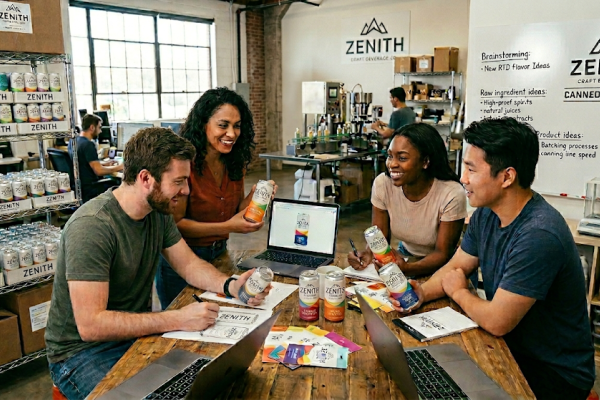
Figure 1: BevSource Food Scientists & R&D Engineers executing benchtop to pilot scale validation.
4. Global Procurement & Future Industry Trends (2025–2030)
For global procurement leaders managing large-scale supply chains, formulation decisions made in R&D directly govern multi-year ingredient sourcing risk, tariff vulnerability, and cost elasticity. Modern beverage R&D must be aligned with macro procurement trends:
Trend 1: Supply Chain Resilience through Dual-Sourcing Specifications
Formulating with single-source proprietary ingredients creates single-point supply chain bottlenecks. Experienced formulation partners engineer open-architecture specifications. This means defining raw material characteristics by physical parameters (mesh size, solubility, moisture %, active assay percentage) rather than brand names, allowing instant substitution between qualified global secondary vendors without altering the finished product profile.
Trend 2: Upcycled & Sustainable Carbon-Neutral Ingredients
Procurement teams are prioritizing upcycled ingredients—such as cascara (coffee fruit pulp), spent grain extract, and upcycled citrus fiber—to meet corporate ESG requirements. Incorporating upcycled citrus fiber into juice formulations provides natural cloudiness, enhances mouthfeel, and enables "100% Upcycled Certified" package claims.
Trend 3: AI-Assisted Flavor Profiling & Degradation Modeling
Predictive molecular modeling accelerates benchtop flavor matching. By mapping volatile aromatics via Gas Chromatography-Mass Spectrometry (GC-MS), formulation labs can algorithmically simulate flavor decay over 12 months, reducing shelf-life validation cycles by weeks.
5. Co-Packing Scale-Up & Thermal Processing Matching
Matching your liquid formula to the correct contract manufacturer's operational capabilities is the final critical milestone. A mismatch between formulation parameters and co-packer plant setup leads to failed trials, discarded batching, and expensive line downtime.
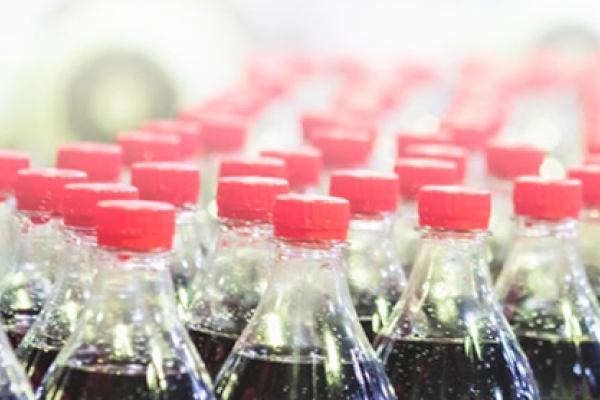
Figure 2: Industrial continuous pasteurization & automated canning line integration.
Co-Packer Vetting Checklist for Procurement Teams:
- Dosing Equipment Accuracy: Does the facility possess liquid micro-dosing systems for high-potency functional ingredients, or must you supply pre-blended dry premixes?
- Water Purification Capabilities: Does the facility utilize Reverse Osmosis (RO) with deionization and ultraviolet (UV) treatment? Unfiltered municipal water hardness alters beverage acid profiles and creates sediment.
- Dissolved Oxygen (DO) Control: High DO levels rapidly oxidize sensitive juices and craft beers. Verify line nitrogen purging and low-DO filling standards (< 50 ppb).
- Minimum Batch Volumes (MOQ): Co-packer tank capacities dictate run sizes (e.g., 2,500 gallons = ~26,000 12oz cans). Ensure formulation cost models account for yield losses during line flush (typically 3–5%).
6. Why Enterprise Brands Partner with BevSource (E-E-A-T Validation)
For over two decades, BevSource has operated as America's premier beverage outsourcing and technical development firm. We don't just write formulas in a vacuum; we engineer liquids specifically designed to run efficiently on industrial production lines while protecting your bottom line.
20+ Years of Hands-On Field Experience
Founded in 2005, our food scientists, packaging engineers, and supply chain directors have successfully brought over 1,000 beverage SKUs to global market shelves.
The Lab: Integrated Pilot Testing
Our dedicated small-scale pilot production facility allows clients to test formulations, run micro-batch pasteurization trials, and perform stability testing prior to committing to major commercial co-packer runs.
100% Unencumbered IP Ownership
Upon project completion, your brand retains complete, unencumbered ownership of all commercial batch sheets, master manufacturing instructions, and supplier contact lists.
Turnkey Global Supply Chain Network
From ingredient procurement and custom premix blending to co-packer auditing, packaging sourcing, and FDA/TTB regulatory compliance, we manage the entire ecosystem under one roof.
Proven Partner to Industry Innovators

7. Frequently Asked Procurement & Technical Formulation Questions
What is the typical cost and timeline for commercial beverage formulation?
Commercial beverage formulation typically requires 12 to 24 weeks depending on flavor iteration speed, functional ingredient complexity, and real-time stability testing requirements. R&D costs range from $8,000 to $25,000+ depending on the category, covering benchtop samples, analytical Brix/pH/density mapping, thermal stress validation, and complete commercial batch sheet generation.
Why do benchtop kitchen recipes fail during commercial co-packer scale-up?
Kitchen recipes rely on non-standardized off-the-shelf ingredients, lack thermal pasteurization stress testing, use precise volumetric pinch measurements instead of gravimetric percentage batching, and omit industrial hydrocolloids or buffer salts needed to prevent phase separation under high-shear pumps.
How do pH, Brix, and Water Activity ($a_w$) impact thermal pasteurization choices?
High-acid beverages (pH ≤ 4.0) can undergo milder hot-fill or HTST pasteurization (180°F-195°F for 15-30 seconds). Low-acid beverages (pH > 4.6) require retort sterilization (250°F under pressure) or aseptic cold fill to eliminate Clostridium botulinum spores.
How does BevSource protect brand IP and formulation ownership?
BevSource executes comprehensive bilateral Non-Disclosure Agreements (NDAs) prior to technical review. Brands maintain 100% full unencumbered ownership of their final commercial formulation batch sheets upon project completion.
What are minimum order quantities (MOQs) for custom ingredient premixes?
Custom vitamin, mineral, or active botanical premixes generally carry MOQs ranging from 100 kg to 500 kg depending on raw material rarity. Utilizing custom premixes eliminates micro-weighing errors at contract manufacturing facilities and significantly streamlines co-packer batching fees.
Ready to Formulate Your Next High-Growth Beverage?
Download our comprehensive technical service catalog or connect directly with BevSource's beverage R&D scientists and global sourcing strategists today.