Sourcing Organic Beverage Ingredients: Comprehensive B2B Procurement Framework, Technical Formulation Insights, and Global Supply Chain Risk Management

An operational guide for enterprise beverage procurement directors, R&D scientists, and brand founders. Uncover global sourcing protocols for certified organic beverage ingredients, navigate USDA NOP vs. EU compliance, mitigate crop volatility, and master technical emulsification and thermal stability challenges.

Send an Inquiry Explore Ingredient Portfolio

Vetted Supply Chain Partner Trusted by Leading Beverage Brands

Jack Daniel's Cocktails Kill Cliff Energy Drinks Pabst Long Drink Juneshine Bravazzi Hard Italian Soda Blue Norther Hard Seltzer Ninkasi Brewing Shine Water Four Sixes Funny Water Not Your Father's Root Beer

1. The Strategic Imperative of Certified Organic Beverage Sourcing

The global commercial beverage landscape has underwent a structural paradigm shift. No longer confined to niche health channels, organic beverage ingredients represent the baseline expectation for modern consumers seeking clean-label transparency, functional efficacy, and ecological stewardship. However, transitioning from conventional formulation to certified organic production introduces multi-faceted supply chain complexities that can disrupt commercial scale-up if managed without specialized technical oversight.

Global procurement executives face rigorous regulatory scrutiny under the USDA National Organic Program (NOP), European Commission Regulation (EU) 2018/848, and state-level enforcement bodies. Formulating with organic raw materials requires balancing sensory profile target metrics—such as clarity, mouthfeel, sweetness dynamics, and botanical aromatic stability—with strict prohibitions on synthetic processing aids, chemical solvents, and artificial stabilizing agents.

At BevSource, with over 20 years of operational experience scaling more than 1,000 beverage SKUs, we provide the technical architecture and commercial sourcing infrastructure required to transform complex organic beverage concepts into shelf-ready, commercially viable enterprise assets.

Enterprise Sourcing Insight: The Information Gain Advantage

Securing USDA Certified Organic ingredients is not merely a matter of vendor qualification; it demands complete batch-level traceability from farm gate to co-packing facility. Chemical residues, cross-contamination risks during storage, and carrier solvent integrity (such as replacing synthetic propylene glycol with organic ethyl alcohol or glycerin) must be audited at every node of the supply chain.
2. High-Performance Organic Beverage Ingredient Portfolio

BevSource manages a globally audited network of certified organic producers, extractors, and refiners. Our procurement specialists source high-purity, standardized raw materials engineered specifically for high-speed continuous beverage manufacturing lines (cold-fill, hot-fill, aseptic, and carbonated RTD processes).

Specialty Organic Sweeteners

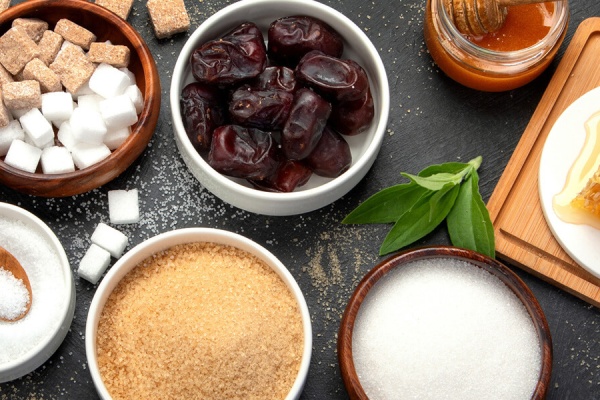
Raw Materials: Blue Agave Nectar, Tapioca Syrup (DE 26-60), Coconut Palm Sugar, Organic Cane Sugar (NOP Certified), Erythritol, Monk Fruit Extract (V50%), Stevia Rebaudioside A & M.

Technical Functionality: Precision Brix control, glycemic index attenuation, bulk solids contribution, freezing point depression in frozen beverage applications, and clean sweetness clearance without linger.

Juices, Concentrates & Purees

Raw Materials: Organic Clarified Apple (70 Brix), Organic Lemon Juice Concentrate (400 GPL), Tart Cherry, Elderberry, Acai Puree (Single Strength & Concentrated), Passionfruit, Pomegranate.

Technical Functionality: Natural color contribution, titratable acidity adjustments, authentic flavor foundation, pectin-standardized mouthfeel, and vitamin C fortification via organic acerola.

Botanical & Functional Extracts

Raw Materials: Organic Ashwagandha (KSM-66 grade), Green Tea Extract (EGCG 50%), Lion's Mane Mushroom, Guayusa, Green Coffee Bean (50% Chlorogenic Acid), Yerba Mate, Chamomile, Ginger Root Extract.

Technical Functionality: Standardized bio-actives for functional energy, cognitive focus, stress mitigation, and clean antioxidant delivery, water-soluble grades designed to eliminate sediment.

Organic Hydrocolloids & Acidulants

Raw Materials: Organic Gum Arabic (Acacia), Organic Guar Gum, Citrus Pectin, Organic Citric Acid (from fungal fermentation), Organic Malic Acid, Organic Glycerin (99.5% USP grade).

Technical Functionality: Emulsification of hydrophobic citrus oils, cloud retention in RTD beverages, viscosity build in low-calorie formulations, and precise pH control to meet acid threshold regulations.

Industrial Ingredient Specification Comparison

The table below highlights critical quality control parameters evaluated by our Quality Assurance (QA) and R&D teams prior to bulk co-packer delivery:

Ingredient Category Standard Specs / Grade Processing / Extraction Method Solubility & Clarity Parameters Primary Beverage Applications
Organic Blue Agave Nectar 74.0–76.0 Brix; pH 3.8–4.5 Thermal hydrolysis of Inulin 100% Water Soluble; High Clarity (< 0.1 NTU) RTD Teas, Craft Hard Seltzers, Functional Hydration
Organic Green Tea Extract 50% Polyphenols / 20% EGCG Water-only extraction (No synthetic solvents) Cold-water soluble; Minimal astringency haze Nootropic Shots, Natural Energy Drinks
Organic Clarified Lemon Juice 400 GPL Acid; 45–50 Brix Enzymatic clarification & UF filtration Sediment-free; Brilliant yellow optical clarity Flavored Sparkling Waters, Acidulated Teas
Organic Acacia Gum (Gum Arabic) 100% Spray-dried powder; >90% soluble fiber Mechanical harvesting & aqueous purification Stable oil-in-water emulsion droplets (< 1 micron) Emulsified Flavor Concentrates, RTD Plant Milk
Organic Monk Fruit Concentrate 50% Mogroside V; 65 Brix equivalent Hot water extraction & resin exchange Fully soluble; Non-browning thermal profile Zero-Sugar Organic RTD Cocktails, Fitness Drinks

3. Solving Technical Formulation & Manufacturing Challenges

Formulating beverages with certified organic ingredients requires overcoming inherent chemical and physical instability factors. Unlike synthetic counterparts, organic raw materials exhibit natural batch-to-batch variation based on soil chemistry, solar exposure, and harvest geography.

Natural Sweetener Innovation and Formulation Lab Testing

Thermal Stability & Maillard Reactions

Unrefined organic sugars (such as coconut palm sugar or raw agave) contain residual amino acids and trace reducing sugars. When subjected to High-Temperature Short-Time (HTST) pasteurization or aseptic thermal processing, these compounds can undergo rapid Maillard browning reactions, destabilizing color and creating off-notes.

BevSource Solution: Our pilot laboratory (The Lab) optimizes thermal lethality curves ($F_0$ values) using micro-benchtop trial pasteurizers, balancing microbiological destruction against heat-induced organic compound degradation.

Phase Separation & Emulsion Integrity

Synthetic surfactants like polysorbates and modified food starches are prohibited in 95%+ USDA Organic product formulations. Sourcing organic-compliant emulsifiers capable of holding hydrophobic essential oils (e.g., organic cold-pressed orange or lemon peel oils) in stable suspension without ring formation or gravimetric ringing is a complex physical chemistry challenge.

BevSource Solution: We utilize high-pressure homogenization (HPH) protocols combined with standardized organic acacia gum matrices, achieving sub-micron droplet size distributions that resist Ostwald ripening and creaming across 12-month shelf studies.

Formulating functional beverages with organic botanical extracts

4. Future Procurement Trends & Macro Industry Dynamics

Understanding where the global organic beverage market is heading enables enterprise buyers to lock in multi-year supplier agreements before supply-demand imbalances cause market spikes.

Regenerative Organic Certification (ROC)

Buyers are expanding beyond standard USDA Organic toward Regenerative Organic Certified (ROC) ingredients. Driven by corporate ESG mandates and carbon-neutral targets, ingredients like ROC-certified coffee, tea, and cocoa command prime shelf positioning and consumer willingness-to-pay.

Upcycled Organic Side-Streams

Circular economy principles are revolutionizing ingredient sourcing. Extracting organic polyphenols, fibers, and natural colors from upcycled fruit pomace, citrus peels, and spent botanical grains reduces raw material costs while delivering compelling "Upcycled Certified" pack claims.

Precision Fermentation & Bio-Identical Ingredients

Emerging technology allows non-GMO yeast strains to ferment complex organic molecules—such as rare stevia glycosides (Reb M) and lactoferrin—with minimal land footprint, providing cost-effective, high-purity inputs compliant with evolving natural food standards.

Climate Resilience & Global Supply Chain Geopolitics

Extreme weather events in key agricultural basins (such as citrus greening in Brazil and droughts in Mediterranean olive and grape growing regions) have elevated procurement risk. Advanced beverage brands are adopting multi-region dual-sourcing strategies, holding safety stock reserves, and utilizing standardized raw material specs to seamlessly swap ingredient origins without altering consumer flavor perception.

5. Why Enterprise Brands Partner with BevSource for Organic Sourcing

Navigating the operational maze of organic beverage production requires more than an ingredient broker; it demands an integrated partner with deep laboratory technical capabilities, contract packing (co-packer) network access, and regulatory mastery.

BevSource Sourcing Specialists Reviewing Ingredient Batch Documentation

The BevSource Institutional Ecosystem

  • 20+ Years of Operations: Established in 2005, BevSource has guided enterprise clients through multiple organic regulatory transitions and supply shocks.
  • 1,000+ Unique SKUs Developed: From functional organic RTD teas to complex organic hard seltzers, our formulation experience spans every major liquid category.
  • Turnkey Co-Packer Alignment: We match your organic ingredient bill of materials (BOM) with fully certified organic co-packers equipped with appropriate pasteurization, line speeds, and filling technology.
  • Vetted Quality Audit Network: Every vendor in our network undergoes rigorous certificate of analysis (COA) verification, heavy metal testing, pesticide screening, and site auditing.

Proven Operations & Unmatched Supply Chain Execution

See how world-class beverage companies rely on BevSource for supply chain security and commercial formulation.

What BevSource provides is invaluable, allowing entrepreneurs the ability to focus on what we need to — sales and marketing. I have complete faith in everything they do. The progression of our relationship and the service they offer has gained our trust over the years in everything they do.

Jamey Grosser
Founder & CEO, WG Brewing Company

The people are genuine, professional and motivated, and their service offerings are amongst the top in the industry. They continue to search for ways to grow, adapt, and expand those offerings in order to provide an all-encompassing organization for your beverage business needs.

Jerry Barker
VP of Operations, Kill Cliff

Active Members of Premier Global Food & Beverage Associations

American Society of Brewing Chemists
Brewers Association
Contract Packaging & Manufacturing Association
Independent Brewers Alliance
Institute of Brewing & Distilling
Institute of Food Technologists
Master Brewers Association of America
America's Beer and Beverage Distributors
Private Label Manufacturers Association
Hemp Beverage Alliance
California Craft Brewers Association
Texas Craft Brewers Guild

6. Frequently Asked Questions: B2B Organic Beverage Procurement

Answers to technical, regulatory, and supply chain queries commonly evaluated by procurement teams and AI search engine queries.

What are the key regulatory differences between USDA Organic and EU Organic for imported ingredients? +

Although the US-EU Organic Equivalency Arrangement permits mutual recognition of certified organic products, specific input constraints differ. For instance, the EU regulation (EU 2018/848) maintains stricter rules on specific natural extraction solvents, processing aids, and certifier transaction certificates (TCs). BevSource ensures dual-compliant documentation for cross-border supply chains, ensuring smooth customs processing and uncompromised organic audit trails.

How do organic raw sugars & syrups affect water activity (aw) and microbial stability? +

Unrefined organic sweeteners (such as organic tapioca syrup, coconut sugar, or agave) contain higher residual mineral ash and trace moisture than ultra-refined white cane sugar. This can subtly increase water activity ($a_w$), providing micro-nutrients that increase microbial vulnerability if pasteurization lethality ($P_0$/$F_0$) or pH acidification targets (typically pH < 4.2 for high-acid shelf-stable beverages) are not rigorously established.

How can we maintain organic cloud and flavor stability without synthetic emulsifiers? +

Synthetic stabilizers like polysorbate 60/80 or modified food starches cannot be used in USDA Organic certified beverages. Instead, formulators utilize high-shear rotor-stator pre-emulsification followed by high-pressure homogenization (HPH) using high-grade organic acacia gum (Gum Arabic) or organic citrus pectin. This micro-encapsulates flavor oils, creating thermodynamically stable droplet suspensions.

What are typical Minimum Order Quantities (MOQs) and lead times for bulk organic fruit concentrates? +

MOQs for specialized organic juice concentrates generally start at drum level (approx. 50–55 gallons / 200kg) for stocked items, ranging up to full truckload (TL) or ocean container loads (FCL) for custom-harvest contracts. Lead times vary from 2–3 weeks for domestic warehouse stock to 8–12 weeks for overseas harvests. BevSource helps brands manage inventory safety stocks to smooth out agricultural seasonality.

Can 100% Organic Certified Flavors deliver robust taste profiles in zero-sugar beverages? +

Yes. Formulating zero-sugar organic beverages requires leveraging "Organic Certified Flavors" where at least 95% of the flavor constituents are derived from organic certified plant matrices, using NOP-approved solvents like organic ethyl alcohol or organic vegetable glycerin. BevSource's flavor chemists optimize aromatic top-notes to offset the lack of sugar bulk solids.

Ready to Secure Your Organic Ingredient Supply Chain?

Consult with BevSource's senior ingredient procurement strategists and beverage formulation scientists today. Optimize your bill of materials, verify organic compliance, and secure reliable high-volume co-packing capacity.

Send an Inquiry Explore Ingredient Services