Beverage Industry Blog & Knowledge Hub
Formulation advice, manufacturing guides, regulatory trends, and strategic insights to scale your beverage brand.
What Is the Difference Between Juice Purees and Concentrates?
Understanding the difference between Juice Purees & Concentrates starts with one simple question: what remains after processing? Juice puree usually contains finely crushed fruit flesh, giving it a thick, spoonable texture. Concentrate begins as juice with much of its water removed, creating a stronger flavor in a smaller volume.
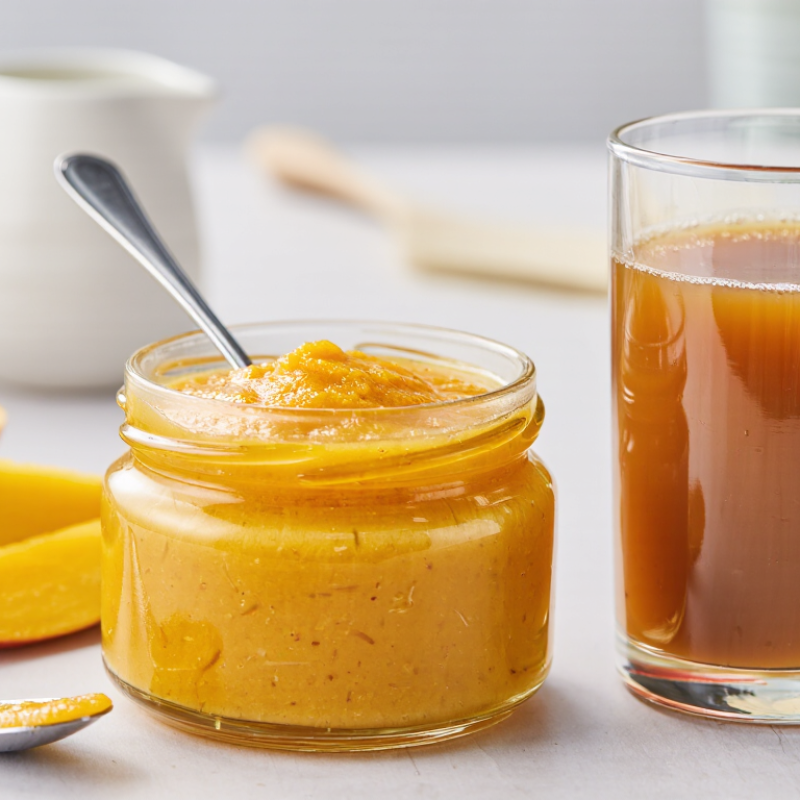
The difference is visible in a glass. A mango puree may look dense and carry tiny fruit particles. Apple juice concentrate often appears smoother, darker, and more syrup-like. Purees can contribute body, natural fiber, and a fuller mouthfeel. Concentrates are valued for efficient storage, transport, and consistent sweetness after reconstitution. However, the final result depends on the fruit, filtration, heating method, and water added later.
The distinction is not always perfectly clean. Some products are clarified, blended, or partially concentrated. Labels may also use commercial terms that vary by supplier and region. That deserves attention. A reliable comparison should examine ingredient lists, soluble solids, processing notes, and intended use rather than relying on appearance alone.
In beverage production, puree may suit smoothies, sauces, and products needing visible fruit character. Concentrate may work better in juices, syrups, and formulations requiring precise dilution. Experienced buyers also check color stability, acidity, packaging conditions, and batch consistency. These details can affect flavor after storage.
Neither ingredient is automatically superior. The better choice depends on the recipe, equipment, budget, and desired texture. This guide will clarify how each product is made, measured, stored, and selected for dependable food and beverage applications.
What Are Juice Purees and Concentrates?
What are juice purees and concentrates? Both begin with ripe fruit, but they are processed for different purposes. A puree is made by crushing or sieving whole fruit, often retaining pulp, fiber, and natural texture. It pours slowly, like a thick peach or mango base. Juice concentrate starts as extracted juice. Water is removed through controlled evaporation or membrane filtration, reducing volume and increasing soluble solids.
The Codex Alimentarius standard CXS 247-2005 defines fruit juice and concentrate through measurable characteristics, including soluble-solids levels and reconstitution requirements. Puree does not always fit the same technical category. Its texture depends on fruit variety, sieve size, and processing conditions.
According to FAOSTAT’s 2023 dataset, global fruit production exceeded 900 million metric tons in 2022. That scale explains the demand for stable, transport-efficient ingredients.
In manufacturing, puree suits smoothies, sauces, fillings, and products where body matters.
Concentrate works well in beverages, because processors can restore water and adjust sweetness or acidity.
The choice is not always obvious. A concentrate may reduce freight weight, but heat exposure can affect aroma and color. A puree may taste more fruit-like, yet it needs careful handling and cold storage.
Industry market reviews published in 2024 repeatedly identify convenience, shelf stability, and clean-label formulation as major purchasing factors. These trends are useful, but they simplify reality. Processing equipment, fruit maturity, and storage time can change the final result. Fresh-looking labels do not guarantee fresh flavor.
How Juice Purees and Concentrates Are Made
Fruit juice purees and concentrates begin with similar raw materials, but their production paths soon diverge. Sound fruit is inspected, washed, and sorted before processing. Workers remove stems, seeds, pits, or tough skins when necessary. The fruit is then crushed or pulped. Screens and refiners create a smooth puree by separating unwanted particles from the edible flesh.
Puree usually keeps much of the fruit’s natural body, including fine fibers and suspended solids. Producers may gently heat it to reduce microbial risks and slow enzyme activity. Excessive heat can dull color, aroma, and fresh flavor. This is where careful temperature control matters. The texture should remain spoonable, not watery.
Concentrate undergoes an additional step. Juice is pressed or extracted from prepared fruit, then part of its water is removed through controlled evaporation. Vacuum systems can lower the boiling temperature and protect delicate aromas. Some facilities recover volatile flavor compounds and add them back later. The final product is thicker and easier to transport, but it is not simply “stronger juice.” Water, heat, and processing time change its character. In practice, the line is rarely perfect. A little over-processing may reduce freshness, while too little treatment can affect stability. Soluble solids, acidity, viscosity, and sensory quality are checked throughout production. Reconstitution also requires accurate water measurement; small errors can noticeably change the taste.
Key Differences in Texture, Flavor, and Composition
What Is the Difference Between Juice Purees and Concentrates?
Key Differences in Texture, Flavor, and Composition
Juice purees and concentrates begin with fruit, but processing changes their character. A puree keeps much of the fruit’s soft flesh, fine particles, and natural fiber. It feels thick, almost spoonable, with a texture similar to blended fruit. Concentrate has most of its water removed. It is usually pourable, dense, and more intense before dilution. It feels sharper on the tongue.
The flavor difference is noticeable in a glass. Puree often carries rounded fruit notes, mild pulp, and a fresh, homemade impression. Concentrate can taste stronger and more focused. Heat used during water removal may reduce delicate aromas, especially in fragile fruits. Some concentrates regain flavor after dilution, but the result may still seem less lively. Small details matter.
Composition also affects storage and use. Puree may contain more suspended solids and fiber, while concentrate contains a higher proportion of fruit solids per volume. This makes concentrate useful when transport space and consistent strength matter. Puree works well in smoothies, sauces, and products where body is important. The line is not always neat. Some products are filtered, blended, or lightly concentrated. I once assumed a thicker product was automatically a puree. That shortcut can mislead. Check the ingredient description, processing method, and dilution instructions before judging the texture or flavor.
| Comparison Dimension | Juice Puree | Juice Concentrate | Practical Consideration |
|---|---|---|---|
| Basic Definition | A smooth or semi-smooth product made from crushed or processed whole fruit, usually retaining much of the fruit’s pulp. | Juice from which a substantial portion of water has been removed, commonly through evaporation or membrane processing. | The two products are processed for different purposes: puree emphasizes fruit body, while concentrate emphasizes soluble juice solids and reduced volume. |
| Texture | Thick, pulpy, and spoonable or pourable, depending on the fruit and degree of refining. | Viscous before reconstitution and generally thin or juice-like after water is added back. | Puree is better when a recipe needs thickness or mouthfeel; concentrate is better when a liquid juice profile is required. |
| Fruit Components | Typically contains more suspended fruit solids and may include pulp, depending on sieving and processing. | Primarily contains water-soluble juice components, including sugars, acids, minerals, and flavor compounds; much of the insoluble pulp is commonly removed before concentration. | Exact composition varies with fruit variety, filtration, processing conditions, and product specifications. |
| Water Content | Retains a relatively high proportion of the fruit’s natural water. | Has reduced water content, which lowers volume and increases the concentration of soluble solids. | Concentrate normally requires dilution before use as a ready-to-drink juice, unless it is being used as an ingredient. |
| Flavor Profile | Often delivers a fuller, more rounded fruit impression because pulp and non-volatile fruit solids remain present. | Provides an intense flavor before dilution, but heating and water removal can alter some fresh or delicate aroma notes. | Flavor depends on the fruit, concentration ratio, processing temperature, storage, and whether aroma compounds are recovered and restored. |
| Mouthfeel | Usually richer and more substantial, with noticeable body and sometimes fine particulate matter. | Usually cleaner and less substantial after dilution, unless pulp or other texturizing ingredients are added. | Puree can improve body in smoothies, sauces, desserts, and fillings; concentrate can provide sweetness and flavor without adding much bulk. |
| Soluble Solids | Contains soluble solids at a level closer to the processed fruit base, although the level differs by fruit and formulation. | Has a higher soluble-solids concentration, often measured as degrees Brix, because water has been removed. | Brix indicates soluble solids, mainly sugars, but it does not by itself describe total quality, flavor, or nutritional value. |
| Typical Processing | Fruit is commonly washed, sorted, crushed or pulped, refined or sieved, and then preserved through methods such as pasteurization, aseptic processing, freezing, or canning. | Juice is commonly extracted, clarified or filtered as needed, concentrated by evaporation or membrane methods, and preserved through heat treatment, aseptic packaging, freezing, or other validated controls. | Processing intensity can vary widely, so product labels and technical specifications should be checked for a precise comparison. |
| Reconstitution | Normally used as supplied, although it may be diluted or blended with other ingredients. | Often reconstituted with water to reach the intended juice strength and soluble-solids level. | Water quality and dilution accuracy affect the final flavor, sweetness, acidity, and consistency of reconstituted concentrate. |
| Common Applications | Smoothies, baby-food formulations, fruit fillings, sauces, dairy products, frozen desserts, beverages, and bakery products. | Ready-to-drink beverages after dilution, beverage bases, sauces, confectionery, marinades, and products requiring concentrated fruit flavor or sweetness. | Selection should be based on the desired viscosity, fruit solids, processing equipment, and final serving format. |
| Storage and Handling | May require refrigeration or freezing after opening, depending on packaging and preservation method. | Unopened concentrate is often easier to store and transport because it occupies less volume; handling requirements still depend on packaging and preservation. | After opening or reconstitution, both products can be susceptible to microbial spoilage and should be handled according to the package or supplier instructions. |
| Nutritional Considerations | May retain more pulp-associated components, but nutritional content varies with fruit, refining, and added ingredients. | Can retain many soluble nutrients, but some heat-sensitive vitamins and aroma compounds may decrease during processing and storage. | Neither category is automatically more nutritious; compare the ingredient list, added sugars, serving size, and nutrition facts. |
| Best Choice When | A recipe needs visible fruit character, thickness, pulp, or a fuller mouthfeel. | A recipe needs compact storage, consistent soluble solids, easy dosing, or a liquid fruit flavor after dilution. | Puree and concentrate are not always interchangeable because they contribute different amounts of water, solids, acidity, sweetness, and texture. |
Common Uses of Purees and Concentrates
What Is the Difference Between Juice Purees and Concentrates?
Purees and concentrates serve different jobs in beverage and food production. Puree keeps finely processed fruit flesh, fiber, and natural color. It feels thick, like crushed peach or mango in a spoon. Concentrate removes much of the fruit’s water, creating a stronger liquid base. Manufacturers later restore water before use. The difference sounds simple. Processing details still matter.
Purees work well in smoothies, yogurt, dessert fillings, sauces, baby food, and fruit preparations. Their body can reduce the need for added thickeners. They also bring seeds, pulp, and natural variation. Concentrates suit juices, nectars, flavored waters, bakery fillings, and confectionery. They store and transport efficiently because they contain less water. According to Grand View Research’s 2024 fruit puree market report, the global market was valued at approximately 4.4 billion dollars in 2023. This reflects growing demand for convenient fruit ingredients, although market estimates differ by definition.
The choice depends on texture, flavor, cost, and equipment. A clear drink usually needs filtered concentrate, not a heavy puree. A spoonable filling may need puree with controlled viscosity. The USDA’s 2024 processing guidance highlights soluble solids, acidity, and microbial control as key quality measures. These factors affect sweetness, shelf life, and consistency. In production trials, a concentrate can taste sharper after dilution. Puree can separate during storage. That is easy to underestimate. Testing one small batch is wiser than trusting a specification alone.
How to Choose Between Puree and Concentrate
Choosing between fruit puree and concentrate depends on the product’s texture, flavor, and processing needs. Puree contains finely crushed fruit, so it gives smoothies, sauces, and fillings a thick, natural body. Concentrate removes much of the water, creating a stronger flavor in a smaller volume. It usually needs reconstitution before use. The Codex General Standard for Fruit Juices and Nectars, CXS 247-2005, uses soluble-solids measurements such as °Brix to support consistent juice quality. Still, Brix does not describe texture or freshness.
For beverage development, concentrate may reduce transport and storage volume. Puree may perform better when visible fruit character matters. USDA FoodData Central lists unsweetened apple juice at roughly 46 calories and 9.6 grams of sugar per 100 grams. That figure does not apply equally to every puree or concentrate. Added water, sugar, fiber, and processing can change the final profile. Innova Market Insights’ 2024 consumer research also highlights continued interest in natural positioning and reduced-sugar choices, but consumer expectations are not perfectly predictable.
Tips: Check the ingredient statement, °Brix, acidity, and storage conditions. Test both options in the finished recipe, not alone. Puree can separate. Concentrate can taste sharp. A small pilot batch often reveals problems that a specification sheet misses. This is where I sometimes overtrust laboratory data. Sensory testing still matters.
What Is the Difference Between Fruit Purees and Concentrates?
Typical composition benchmarks and practical selection guidance
You want natural fruit body, pulp, fiber, color, and fresh-fruit texture in smoothies, sauces, fillings, desserts, or baby-food formulations.
You need lower shipping volume, longer storage efficiency, consistent soluble-solids content, or a base that can be diluted into a juice beverage.
The chart uses typical benchmark midpoints for many commercial fruit ingredients. Actual values vary by fruit, cultivar, ripeness, processing method, and specification. °Brix indicates soluble-solids concentration and is not identical to total sugar.
FAQS
Sound fruit is inspected, washed, and sorted. Stems, seeds, pits, and tough skins may be removed. The fruit is crushed into pulp. Screens and refiners create a smooth, spoonable texture.
Juice is pressed from prepared fruit. Controlled evaporation removes part of its water. Vacuum processing can protect delicate aromas. The result is thicker and easier to transport.
Puree keeps fruit flesh, fine fibers, and suspended solids. Concentrate removes much of the water. Puree feels like crushed mango. Concentrate needs water before use.
Puree usually works well in smoothies. Its body adds thickness and natural fruit texture. It may reduce the need for added thickeners. Some separation can still happen.
Concentrate suits juices, nectars, flavored waters, and bakery fillings. It saves storage and transport space. After dilution, its flavor may taste sharper than expected.
Gentle heating can reduce microbial risks and slow enzyme activity. Excessive heat may dull color, aroma, and fresh flavor. Temperature control matters. Too much heat is difficult to undo.
Producers check soluble solids, acidity, viscosity, and sensory quality. They also monitor microbial control. Small changes can affect sweetness and texture. The process is rarely perfect.
Water must be measured accurately during reconstitution. A small measurement error can noticeably change taste. Check one small batch first. Specifications alone may not reveal every problem.
Conclusion
Juice Purees & Concentrates are both fruit-based ingredients, but they differ in form, processing, and typical use. A puree is made by crushing or blending whole or prepared fruit, so it generally retains more of the fruit’s natural body, pulp, fiber, color, and fresh flavor. A concentrate, by contrast, is produced by removing much of the fruit’s water, creating a thicker, more concentrated liquid that can be reconstituted or added in small amounts to recipes and beverages.
These differences affect texture, taste, storage, and application. Purees are often selected for smoothies, desserts, sauces, fillings, and products that benefit from a rich, naturally thick consistency. Concentrates are useful when manufacturers or home cooks need an intense fruit flavor, consistent sweetness, easier transportation, or extended storage efficiency. Choosing between them depends on the desired texture, flavor strength, recipe requirements, and whether the ingredient will be used directly or diluted. Understanding how each option is made and performs helps ensure the best result for beverages, foods, and culinary creations.

Blog Tags: