Industry Insights & Resources

Beverage Industry Blog & Knowledge Hub

Formulation advice, manufacturing guides, regulatory trends, and strategic insights to scale your beverage brand.

0%

RTD Protein Beverages are ready-to-drink products that provide protein without mixing powder or preparing a shake. They come in cartons and bottles, often chilled beside milk or stored at room temperature. Some use dairy proteins; others use plant-based sources such as soy or pea. The format is simple. Open, sip, and go.

Protein researcher Dr. Stuart Phillips has described protein as “the most satiating macronutrient.” That observation helps explain the appeal of a portable protein drink, but it does not make every bottle equally useful. Check the protein amount, serving size, added sugars, and ingredient list. A bottle with a clean label may still taste chalky; a sweeter one may be easier to finish. Small details matter.

The best choice depends on the person and the moment: a commute, a gym bag, or a rushed lunch break. Convenience is real. So are trade-offs. RTD Protein Beverages can help fill a practical gap, but they are not a substitute for considering overall eating habits. Readers should compare products calmly, rather than treating a large protein number as a complete measure of quality. Even this guide has a limit: nutrition needs vary, and a label cannot tell the whole story.
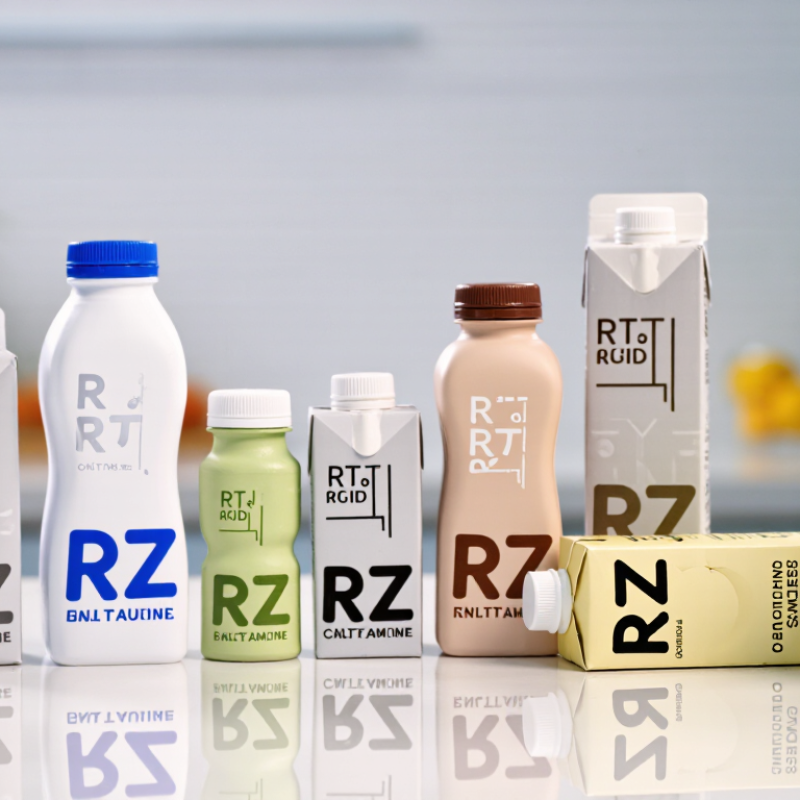
What Are RTD Protein Beverages?

Definition and Key Characteristics of RTD Protein Beverages

RTD protein beverages are packaged, ready-to-drink liquids that provide protein without requiring scooping, shaking, or blending. They may be dairy-based, such as milk or whey drinks, or made with plant proteins like soy or pea. Some are sold chilled; others are processed for shelf stability. The category is not perfectly tidy. Products differ widely in serving size, protein source, texture, and added ingredients.

A practical comparison starts with the nutrition panel. Check grams of protein per container, then consider calories, sugars, and the ingredient list. Protein content alone does not describe the whole drink. A thick beverage may feel filling, while a thinner one can be easier to sip after exercise or during a commute. In its 2024 Food & Health Survey, the International Food Information Council reported that 71% of Americans were trying to consume protein. That finding reflects broad interest in protein, not specifically demand for RTD drinks.

Packaging and storage also shape the experience. A carton in a desk drawer offers convenience, while a chilled bottle may have a shorter storage window. Protein source matters, too, especially for people avoiding dairy or checking allergens. Labels can look straightforward, but serving sizes sometimes differ. Compare like with like. A useful definition, then, is simple: an RTD protein beverage is a prepared drink designed to deliver protein conveniently, with its nutritional and sensory characteristics varying by formulation.

What Are RTD Protein Beverages?

Ready-to-drink (RTD) protein beverages are pre-prepared, packaged drinks that can be consumed without mixing. Their protein content varies by product. Protein provides about 4 kilocalories per gram, so the bars show the energy from protein alone—not the beverage’s total calories.

Common Protein Sources and Other Ingredients

RTD protein drinks usually get their protein from milk, whey, casein, soy, or pea. Whey dissolves readily and gives a light texture; casein can make a shake feel thicker. Dairy also supplies all essential amino acids. Plant-based formulas may blend sources to improve amino-acid balance, though the exact mix varies by product. The FAO’s 2013 protein-quality report recommends assessing protein by digestible indispensable amino acids, not just total grams. A high number on the front label does not tell the whole story.

The USDA FoodData Central database lists about 8 grams of protein in a cup of nonfat milk and roughly 7 grams in a cup of unsweetened soy beverage. These everyday-food figures offer useful context, but RTD recipes are concentrated and differ. Check the serving size and protein source. Texture matters. Water-based drinks often need stabilizers or emulsifiers to keep ingredients evenly dispersed; gums can help prevent a gritty layer at the bottom. Sweeteners, cocoa, flavorings, and added vitamins may also appear. Some drinks contain little sugar, while others rely on it for flavor. I still find ingredient lists easy to skim too quickly. A useful check is whether the protein amount, sweetener, and texture aids match what you actually want.

How RTD Protein Beverages Are Made and Packaged

What Are RTD Protein Beverages?

How RTD Protein Beverages Are Made and Packaged

Ready-to-drink protein beverages are mixed, processed drinks sold in sealed containers. Their production starts with water or milk and a protein source, such as dairy or plant protein. Ingredients are blended until evenly dispersed; otherwise, powder can leave small clumps or sediment. That detail matters. Acidity, minerals, and heat can also change texture, so manufacturers test formulas before production.

For shelf-stable products, the blend may be heated using ultra-high-temperature processing. International Dairy Federation technical guidance describes UHT treatment at roughly 135–150°C for a few seconds. The short, intense heating step helps control microorganisms, but it can also affect flavor and protein structure. Homogenization breaks fat droplets into smaller particles, helping limit separation. It is not a perfect fix: some drinks still form a ring or settle during storage.

After heat treatment, the beverage is filled into pre-sterilized cartons, bottles, or cans in a controlled aseptic environment. The seal protects the drink from contamination; even a tiny packaging defect can undermine the process. Refrigerated versions follow a different route and need cold storage. Packaging choice therefore depends on the recipe, treatment, and intended storage conditions—not protein content alone.

Nutritional Profile and Product Variations

Ready-to-drink (RTD) protein beverages vary more than their front labels suggest. Some use whey or casein; others use soy or pea protein. Their calories, sugars, fats, and added nutrients can differ widely, too. The U.S. Food and Drug Administration sets the protein Daily Value at 50 grams for a 2,000-calorie diet. That figure helps with label comparisons, but it is not a personal daily target. The International Society of Sports Nutrition’s 2017 position stand gives 1.4–2.0 grams of protein per kilogram of body weight daily as a range for exercising adults. Individual needs vary.

Tips: Check the serving size, protein amount, and added sugars together. A bottle with 30 grams of protein may also provide substantial calories or sweetener. Compare the ingredient list if you avoid dairy or have food sensitivities. Not all formulas fit.

Think about when and why you’ll drink it. A chilled bottle can be convenient after a workout or during a rushed commute, but it may not offer the fiber and fullness of a meal. I find the front-label numbers tempting; the less obvious details deserve a second look. FDA Nutrition Facts guidance and the ISSN position stand are useful references, but neither can decide which formula suits your health needs.

Typical Uses and Factors to Consider When Choosing One

What Are RTD Protein Beverages?

Typical Uses and Factors to Consider When Choosing One

Ready-to-drink (RTD) protein beverages are packaged drinks that provide protein without mixing powder. People often use them after exercise, between meals, or when travel makes a full meal inconvenient. They are convenient, not automatically necessary. A drink cannot replace the variety of a balanced diet.

Demand reflects broader interest in protein. The International Food Information Council’s 2024 Food & Health Survey reported that 71% of Americans were trying to consume protein. That figure describes consumer intentions, not proof that everyone needs a supplement. For exercising adults, the International Society of Sports Nutrition suggests about 1.4–2.0 grams of protein per kilogram of body weight daily; individual needs can differ. Check how a bottle fits your overall intake, rather than treating its protein number as a target by itself.

Read the whole label. Compare protein per serving, calories, added sugar, sodium, and ingredients; also check allergens and whether the drink needs refrigeration. A 30-gram serving may suit one person, while another may prefer less. Serving sizes can be oddly easy to misread. If you use one after training, ordinary meals still matter for recovery. And timing? Usually less dramatic than marketing makes it sound. Choose a texture and taste you will actually tolerate, because a theoretically perfect bottle left unopened helps nobody.

FAQS

What protein sources are common in ready-to-drink protein beverages?

Common sources include milk, whey, casein, soy, and pea protein. Plant-based drinks may blend proteins to improve amino-acid balance.

Does a high protein number tell the whole story?

No. Check the serving size and protein source, too. Digestibility and amino-acid balance matter, though labels can be easy to skim.

Why do some drinks feel thicker or leave sediment?

Casein may create a thicker texture. Stabilizers and emulsifiers help keep ingredients mixed, but some drinks still settle during storage.

How are shelf-stable protein drinks processed?

Some are heated at roughly 135–150°C for a few seconds, then filled into containers in a controlled aseptic environment. The seal matters.

Do all ready-to-drink protein beverages need refrigeration?

No. Shelf-stable drinks and refrigerated versions use different processing and storage conditions. Check the package instructions.

What should I compare on the nutrition label?

Compare serving size, protein, calories, and added sugars. A bottle with 30 grams of protein may also contain substantial calories or sweetener.

Can a protein drink replace a meal?

It may be convenient after exercise or during a rushed commute, but it may lack the fiber and fullness of a meal. Not always a meal.

How much protein do exercising adults need?

One cited position stand gives a range of 1.4–2.0 grams per kilogram of body weight daily. Individual needs vary, so that range may not fit everyone.

Conclusion

RTD Protein Beverages are ready-to-drink products designed to provide protein in a convenient, portable form. They commonly use milk proteins, whey, casein, or plant-based sources such as soy, pea, and rice. Depending on the formulation, other ingredients may include water or milk, flavorings, sweeteners, vitamins, minerals, and stabilizers. These drinks are blended to create a consistent texture, then treated and packaged in sealed containers to support product quality and ease of storage.

Their nutritional profiles vary: some offer more protein or fewer added sugars, while others include additional nutrients or different calorie levels. People may choose them as a quick option around exercise, between meals, or when preparing food is difficult. When comparing products, consider the protein source and amount, serving size, calories, sugar, allergens, dietary preferences, and ingredient list. A suitable choice depends on individual needs and how the beverage fits into an overall balanced eating pattern.

Ethan

Ethan

Ethan is a dedicated marketing professional with a profound expertise in our company’s array of products and services. His extensive knowledge of the industry enables him to create insightful content that not only elucidates the benefits of our offerings but also positions our company as a thought......