Industry Insights & Resources

Beverage Industry Blog & Knowledge Hub

Formulation advice, manufacturing guides, regulatory trends, and strategic insights to scale your beverage brand.

0%

Crafting a successful commercial beverage formulation requires a blend of creativity and science. This process is not just about mixing ingredients; it involves detailed market research and understanding consumer preferences. Companies must have an in-depth knowledge of flavors, ingredients, and nutritional profiles.

Having expertise in food science can enhance formulation quality. Professionals can assess how different components interact, ensuring stability and taste. Yet, challenges abound. Even with the best intentions, a product may fail to resonate with the target audience. Misjudgments in flavor profiles can lead to disappointing results. Regular feedback from tasters can be risky but essential to refining products.

Many brands overlook the significance of sustainability in modern beverage development. A formulation that is not environmentally friendly may face backlash. Consumers today are more conscious of the sourcing and impact of their choices. Embracing this aspect can set a brand apart in a crowded market. Commercial beverage formulation is an intricate dance of art and science, where every element matters.
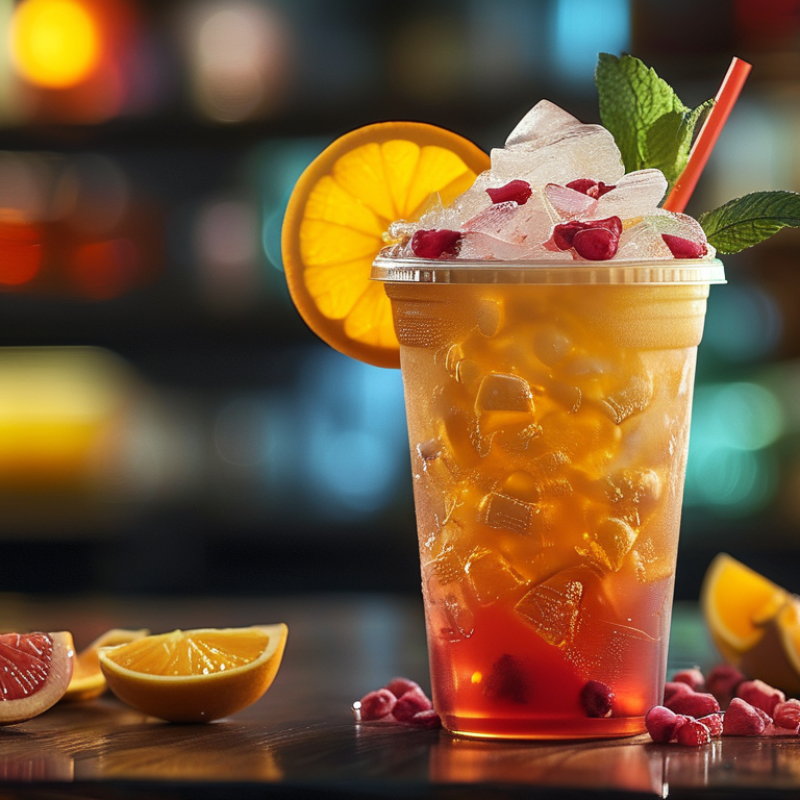
2026 How to Develop a Successful Commercial Beverage Formula?

Understanding the Beverage Market Landscape for 2026

In 2026, the beverage market is set to evolve rapidly. Understanding consumer preferences will be essential for success. According to a recent industry report, the global non-alcoholic beverage market is projected to reach $1.6 trillion by 2026, driven by health-conscious trends. Consumers are increasingly seeking alternatives that offer functional benefits, such as enhanced hydration or added vitamins.

To thrive in this competitive landscape, focus on flavor innovation and sustainability. A transparent sourcing strategy can enhance brand reliability. Conduct market surveys to gauge current consumer trends. This will help identify gaps where your formula can excel. Research indicates that 39% of consumers choose products based on sustainable packaging.

Develop your beverage formula with experimentation. Consider offering limited-time flavors to gauge market reactions. Monitor social media for feedback. Customer insights can guide necessary adjustments to your formula. Remember, success is not just about the initial launch; it's about adaptability and continuous improvement. Engage with your audience to understand what works and what doesn’t.

Identifying Consumer Trends and Preferences in Beverage Choices

Identifying consumer trends is crucial for developing a successful beverage formula. A recent report from the Beverage Marketing Corporation highlights that the non-alcoholic beverage sector is projected to grow by 2.6% annually through 2026. This growth is driven by evolving consumer preferences towards healthier options. Many consumers are opting for beverages with lower sugar and natural ingredients. For instance, 55% of surveyed individuals expressed a preference for products with no added sugar.

Sustainability is another key factor in consumer choices. According to Mintel’s Global Beverage Trends report, 70% of consumers consider eco-friendly packaging an important attribute when selecting a beverage. Brands that fail to adopt sustainable practices may struggle to capture market share. Transparency in ingredient sourcing is becoming increasingly valued as well. Studies indicate that 65% of consumers want to know where their ingredients come from. Businesses must address these demands to connect with consumers effectively.

Developing a beverage formula that resonates with modern consumers requires ongoing market research. Brands may face challenges in balancing taste, health benefits, and sustainability. It’s essential to stay informed about emerging trends and customer feedback to refine product offerings continually. Companies that can adeptly navigate these complex preferences will be better positioned for success in the competitive landscape.

2026 Beverage Consumer Trends

Key Ingredients and Flavor Profiles for Successful Beverage Formulas

Creating a successful beverage starts with understanding key ingredients and flavor profiles. Industry reports indicate that 70% of consumers prefer beverages with natural flavors. This trend underscores the importance of sourcing high-quality ingredients. For example, organic fruit extracts and botanicals are gaining popularity. These not only provide unique flavors but also appeal to health-conscious consumers.

Flavor profiles are critical in beverage formulation. A study found that beverages with balanced sweetness and acidity attract wider audiences. Incorporating ingredients like agave or honey can enhance sweetness without overpowering other flavors. Additionally, incorporating citrus zest can introduce freshness. However, achieving the right balance requires experimentation, as too much of a bold flavor may alienate consumers.

Texture and mouthfeel also play a role in beverage success. Reports show that 55% of consumers are influenced by the texture of the drink. Carbonation levels, for instance, can drastically change how a beverage is perceived. It’s crucial to evaluate how these components work together. The challenge lies in innovating while meeting consumer expectations. Testing multiple combinations helps in refining the formula to find the perfect blend.

Testing and Refining Your Beverage Formula Through Prototyping

Testing and refining your beverage formula is a crucial step in product development. Prototyping allows you to explore various flavor combinations and ingredients. Start by creating small batches to test different aspects like sweetness, acidity, and mouthfeel. Each iteration can lead to surprising results.

Use feedback from taste testers to guide your improvements. Gather their opinions on taste and aroma, but also note their reactions. Sometimes, an unexpected reaction can spark innovation. Don’t shy away from reworking your formula multiple times. This process is essential for achieving a balanced and appealing final product.

During prototyping, it's important to remain flexible. You may find that your original vision needs adjustments. Embrace the imperfections that arise. Each failure can teach valuable lessons. Use these insights to refine your approach further. Continuously ask, what can be improved? This mindset will ultimately lead to a more successful beverage formula.

Strategies for Branding and Marketing Your Commercial Beverage产品

In 2026, branding and marketing a commercial beverage require a strategic approach to stand out. A recent report indicates that the global beverage market is expected to reach $1.9 trillion by 2025. This growth highlights the importance of clear branding. Unique packaging design can increase shelf appeal by up to 30%. Engaging storytelling around the product creates emotional connections with consumers.

Social media plays a crucial role in modern marketing. According to a survey, 72% of consumers prefer brands that share engaging content. Authenticity matters. Transparency about ingredients and production enhances trust. A survey indicates that 60% of consumers are more likely to buy a product if they know its source. Utilize platforms like Instagram and TikTok for dynamic visual content. Brands that leverage user-generated content see a 25% increase in engagement.

Collaboration with influencers can broaden your reach. However, ensuring alignment in values is vital. Poor partnerships may harm your brand image. Analyze performance regularly. Make adjustments based on consumer feedback. A brand that listens can pivot successfully in this evolving market.

FAQS

: What are key trends in the beverage market for 2026?

: The market is shifting toward health-focused options, with consumers seeking functional benefits.

How important is sustainability in beverage production?

Around 39% of consumers prefer products with sustainable packaging. It’s crucial for brand appeal.

What role does flavor innovation play?

Flavor innovation is essential for attracting consumers. Experimenting with limited-time flavors can provide valuable feedback.

How can branding improve product visibility?

Unique packaging design can enhance shelf appeal by up to 30%. Clear branding is necessary for market success.

Why is social media essential for marketing?

Social media allows brands to connect with consumers. 72% prefer brands sharing engaging content online.

How can brands build trust with consumers?

Transparency about ingredients and sourcing builds trust. 60% of consumers buy with clarity on product origins.

What is the significance of customer feedback?

Monitoring feedback is vital. Adjusting based on insights helps improve the product and meet consumer demands.

Should brands collaborate with influencers?

Yes, but ensure their values align with your brand. Poor partnerships can lead to negative perceptions.

What is critical for ongoing brand success?

Continuous improvement and adaptability are key. Engagement with consumers fosters loyalty and enhances brand image.

How can storytelling benefit a beverage brand?

Engaging storytelling creates emotional connections, making products more relatable and memorable for consumers.

Conclusion

The article titled "2026 How to Develop a Successful Commercial Beverage Formula" provides a comprehensive guide for aspiring beverage entrepreneurs. It begins with an overview of the beverage market landscape expected in 2026, highlighting the importance of staying attuned to emerging consumer trends and preferences. Understanding these trends is crucial for effective Commercial Beverage Formulation, as it directly influences the choice of key ingredients and flavor profiles that resonate with target customers.

Furthermore, the article emphasizes the importance of testing and refining beverage formulas through prototyping, ensuring that the final product meets both quality standards and consumer expectations. To successfully launch a beverage, innovative strategies for branding and marketing are essential, which can differentiate the product in a competitive market. By following these guidelines, entrepreneurs can create appealing and successful commercial beverages that capture the interest of consumers.

Ethan

Ethan

Ethan is a dedicated marketing professional with a profound expertise in our company’s array of products and services. His extensive knowledge of the industry enables him to create insightful content that not only elucidates the benefits of our offerings but also positions our company as a thought......