Beverage Industry Blog & Knowledge Hub
Formulation advice, manufacturing guides, regulatory trends, and strategic insights to scale your beverage brand.
Why Choose Aluminum Beverage Cans for Global Sourcing?
Table of Contents
- Aluminum Beverage Cans: Definition, Structure, and Main Applications
- Key Benefits of Aluminum Cans for Beverage Packaging
- Global Sourcing Factors: Cost, Supply, and Manufacturing Capacity
- Sustainability, Recycling, and Regulatory Considerations
- How to Evaluate and Select an International Can Supplier
- FAQS
- Conclusion
- Related Posts
Why Choose Aluminum Beverage Cans for Global Sourcing?
Global beverage brands are reassessing packaging, and Aluminum Beverage Cans remain a practical sourcing choice. They are lightweight, stackable, and highly compatible with automated filling lines. A pallet of empty cans can move efficiently, reducing storage pressure before production begins. The Grand View Research report estimates that the global aluminum cans market will continue expanding through 2030, supported by demand for convenient and recyclable packaging. The report also identifies beverages as the leading application segment.
The recycling case is especially compelling. The International Aluminium Institute reports that approximately 75% of all aluminum ever produced remains in productive use. Aluminum can also return to the shelf in about 60 days when collection systems work effectively. Robert Budway, President and CEO of the Can Manufacturers Institute, described the format clearly: “The can is the most sustainable package on the planet.” That statement is persuasive, but it needs context.
Recycling rates vary sharply between countries.
The U.S. Environmental Protection Agency reported an aluminum beverage can recycling rate of about 45% in 2022. That figure shows progress, not perfection. Collection gaps, transport distances, energy sources, and coating materials still affect the final footprint. Buyers should therefore evaluate recycled content, supplier certifications, production energy, quality controls, and regional recovery systems. The strongest sourcing decision is not based on appearance alone. It comes from verified data, stable supply, and honest lifecycle comparisons. Aluminum Beverage Cans offer a strong foundation, but responsible procurement still requires careful checking.
Aluminum Beverage Cans: Definition, Structure, and Main Applications
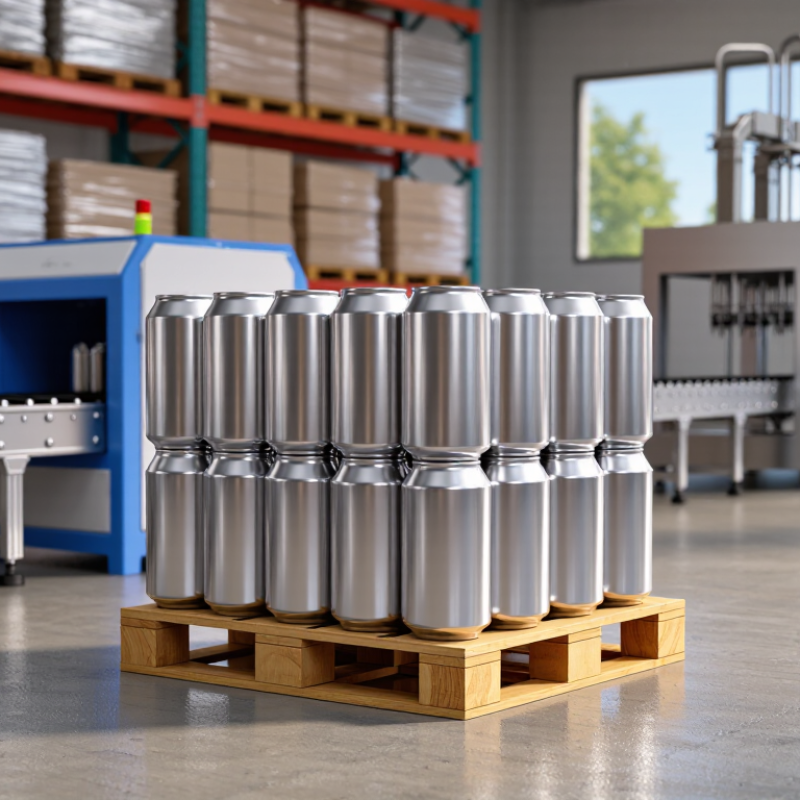
Aluminum beverage cans are lightweight, recyclable containers designed for sealed drink distribution. Most use a two-piece structure: a drawn-and-wall-ironed body and a separate lid. The body provides strength, while the lid supports easy opening and resealing features. A thin internal coating separates the beverage from the metal. This detail matters for taste, shelf life, and product safety. Common applications include carbonated drinks, beer, sparkling water, juices, and functional beverages.
The International Aluminium Institute reported in 2024 that about 75% of all aluminum ever produced remains in active use. European Aluminium reported a 76% recycling rate for beverage cans in Europe in 2021. These figures support aluminum’s sourcing appeal, but they do not guarantee equal performance in every market. Collection systems differ widely. Transport distance, alloy specifications, lid compatibility, and coating requirements can also affect the real environmental result. A supplier may offer attractive prices, yet inconsistent wall thickness can create filling-line problems. That risk deserves attention.
Tips: Request body, lid, and coating specifications before sampling. Confirm internal pressure resistance for carbonated products. Ask for third-party test records, food-contact documentation, and recent production samples. Compare recycled content claims with verified evidence. In practice, small details matter. A slightly different can diameter may require new handling settings. It is easy to overlook this during global sourcing.
Key Benefits of Aluminum Cans for Beverage Packaging
Aluminum beverage cans offer practical advantages for global beverage packaging. They are lightweight, stackable, and resistant to light and oxygen. These features help protect flavor during long-distance shipping. Their compact shape also improves pallet efficiency and lowers storage pressure. In sourcing projects, this can simplify handling across different markets.
Recycling strengthens the business case. The International Aluminium Institute reported a global beverage-can recycling rate of about 69% in 2021. It also states that recycled aluminum requires roughly 5% of the energy used for primary aluminum production. However, the material is not automatically sustainable. Collection systems, recycled content, transport distance, and can thickness all affect the final impact. A careless supply decision can weaken an otherwise strong packaging choice. That is worth admitting.
Tips: Ask suppliers for recycled-content figures, energy data, and third-party verification. Check can dimensions against filling lines before approving samples. Confirm coating performance under heat, humidity, and acidic beverages. The Ellen MacArthur Foundation emphasizes designing packaging for a circular economy, not only for single use. Practical testing still matters more than attractive claims. Small defects can appear after weeks in transit. Use pilot shipments before scaling global orders.
Global Sourcing Factors: Cost, Supply, and Manufacturing Capacity
Why Choose Aluminum Beverage Cans for Global Sourcing?
Aluminum beverage cans support global sourcing through competitive costs, stable supply, and efficient manufacturing. Their lightweight structure reduces freight weight and storage space. A full pallet can move more units with less packaging volume. This matters when shipping distances are long or fuel costs change quickly. Aluminum is also widely recycled, which can support material recovery programs and strengthen supply planning. However, the lowest quotation is not always the best value. Tooling, coatings, printing, minimum order quantities, and port charges can change the final cost.
Supply reliability depends on more than raw material availability. A capable manufacturer should explain production schedules, quality checks, and backup capacity clearly. Ask about can dimensions, filling compatibility, lead times, and inspection records. Manufacturing capacity also affects seasonal orders. A factory with several forming lines may handle demand increases more smoothly. Yet larger capacity does not guarantee better service. Communication gaps can still delay approvals, especially when artwork or specifications change. Early sourcing estimates sometimes miss these practical delays.
Tips: Compare landed cost, not unit price alone. Request a sample production run when possible. Check line speed, order minimums, and documented quality controls. Keep specifications precise, but leave room for realistic production limits. Small details matter.
Why Choose Aluminum Beverage Cans for Global Sourcing?
Global sourcing factors: cost efficiency, supply availability, and manufacturing capacity
Recycling aluminum requires about 95% less energy than producing primary aluminum, which can reduce the material footprint of beverage packaging.
Primary aluminum production is geographically diversified, with major output from Asia, the Middle East, Europe, North America, and South America.
High-speed can lines can produce up to approximately 2,000 cans per minute, supporting large-volume beverage programs.
Chart: Estimated 2023 primary aluminum production by selected producing countries, measured in million metric tonnes. Source: U.S. Geological Survey, Mineral Commodity Summaries 2024. Industry benchmarks: International Aluminium Institute and publicly reported can-line operating ranges.
Sustainability, Recycling, and Regulatory Considerations
Why Choose Aluminum Beverage Cans for Global Sourcing?
Aluminum beverage cans support sustainability goals through established recycling systems. They are lightweight, stack efficiently, and reduce transport weight compared with many rigid alternatives. In practical sourcing work, small details matter. Can thickness, pallet design, and shipping distance can affect the overall environmental footprint. Recycled aluminum also requires far less energy than producing primary aluminum, although availability and quality vary between regions.
A reliable supplier should provide clear information about recycled content, material origin, and production controls. Buyers should also examine recycling rates in the target market. A can may be technically recyclable, yet local collection systems may not recover it. That gap matters. Contamination, poor sorting, and limited infrastructure can reduce real-world recovery. I have found that attractive sustainability claims need supporting documents, not only polished wording. Even then, data may be incomplete or based on different calculation methods.
Regulatory requirements deserve equal attention. Food-contact materials, coatings, inks, closures, labeling, and extended producer responsibility rules can differ by destination. Sourcing teams should request current test reports, declarations of compliance, and traceability records. They should confirm whether recycled content meets local safety requirements. Import documents and packaging symbols must also match regional rules. Requirements can change after production begins. A missing certificate or incorrect label can delay a shipment and create avoidable waste. Global sourcing is therefore not perfectly simple, and supplier audits should leave room for rechecking assumptions.
How to Evaluate and Select an International Can Supplier
Choosing aluminum beverage cans for global sourcing offers light weight, efficient transport, and strong recyclability. However, the can itself is only part of the decision. The supplier’s reliability matters more when production crosses borders.
I have learned that a low quotation can hide costly weaknesses. Evaluate the supplier’s forming equipment, production capacity, quality controls, and delivery records.
Ask for recent test reports, food-contact compliance documents, and material traceability.
Confirm can dimensions, wall thickness, coating performance, and closure compatibility with your filling line.
Request physical samples, not only digital specifications.
A small pilot order may reveal dents, inconsistent printing, or slow responses. These details are easy to overlook.
Tips: Visit the factory or arrange a live video audit.
Check whether inspectors record defects by batch.
Review how the supplier handles complaints and corrective actions.
Ask about backup tooling, raw material planning, export packaging, and shipping documentation.
Compare total landed cost, including freight, duties, storage, and rejected units.
Do not judge sustainability by slogans. Request measurable data, such as recycled content, energy use, and waste management records.
Communication is another practical test.
A dependable supplier answers technical questions clearly and admits limitations. That honesty is valuable. Still, no supplier is perfect.
Recheck forecasts, lead times, and quality expectations before signing a long-term agreement. Put approved samples and tolerances in writing. Small misunderstandings become expensive at container scale.
FAQS
They are lightweight, recyclable containers for sealed drink distribution. Most use a formed body and a separate lid. A thin coating protects the beverage from direct metal contact.
Common examples include carbonated drinks, beer, sparkling water, juices, and functional beverages. Product acidity and pressure affect can requirements.
The coating helps preserve taste, shelf life, and product safety. It should perform under heat, humidity, and acidic conditions. Small coating failures can matter.
No. Recycling rates and recycled content support their environmental value. Collection systems, transport distance, thickness, and energy use also affect results.
Request body, lid, and coating specifications. Confirm dimensions, wall thickness, pressure resistance, and closure compatibility. Digital details are not enough.
Review forming equipment, capacity, inspection records, and delivery history. Ask for traceability, food-contact documents, and recent production samples. Visit the facility when possible.
It can reveal dents, printing inconsistencies, coating problems, or slow communication. Run a pilot shipment before scaling global orders. Problems appear later sometimes.
Compare the total landed cost, including freight, duties, storage, and rejected units. A low quotation may hide expensive weaknesses. That is easy to miss.
Record approved samples, tolerances, lead times, quality expectations, and corrective-action procedures. Recheck forecasts before signing. No supplier is perfect.
Conclusion
Aluminum Beverage Cans are lightweight, durable, and highly adaptable containers designed to protect beverages from light, oxygen, and external contamination. Their structure typically includes a shaped can body, a sealed top, and an interior coating that helps preserve flavor and product quality. They are widely used for carbonated drinks, water, juices, energy beverages, and other packaged refreshments. Their advantages include efficient transportation, fast filling-line performance, strong stackability, and convenient consumer handling.
For global sourcing, buyers should evaluate total cost, raw material availability, production capacity, quality consistency, lead times, and export logistics rather than focusing only on unit price. Recycling performance and material efficiency are also important, as aluminum can be recovered and reused through established recycling systems. International buyers should confirm that suppliers maintain reliable quality controls, suitable certifications, compliant materials, transparent communication, and the ability to provide consistent specifications at the required volume. A careful supplier assessment helps reduce supply risks while supporting sustainability and long-term packaging efficiency.

Blog Tags: